
In May, 2012 I went to Asia on the “Three-Countries-Three-Weeks-Three-Kids” tour. The first stop on this once-in-a-lifetime trip was Shanghai, followed by Seoul. On our first day in Seoul, we’ve made our way to the Gyeongokgung Palace museum with all of its attendant palace buildings from various eras.
We started our second day with a long visit to the War Memorial of Korea.
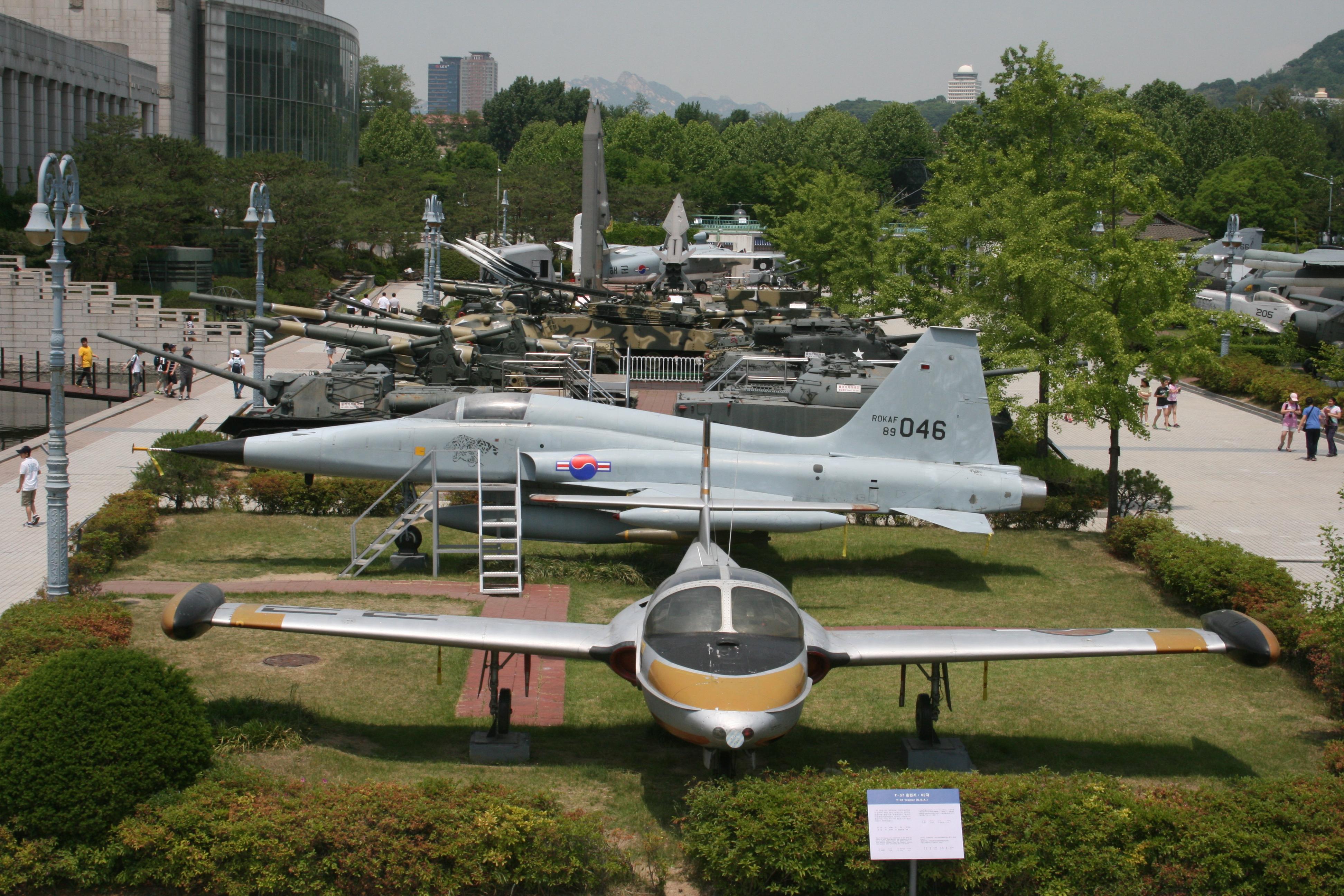 South Korea is a crowded, bustling, vibrant country, a “first world” nation with an advanced industrial and technological base. For all of that, they’ve also been put through the ringer and stared annihilation in the face twice in living memory. They do not let you forget that recent past or the danger that the doors to that hell could open up again tomorrow.
Part of that is a very large and outstanding museum right in the heart of the city. Outside, there are lots of big exhibits from the most recent conflicts.
There are planes — LOTS of planes. From the truly massive B-52 down to the tiny Buwhalho observation plane that’s smaller than the Cessna 172 that I sometimes fly, there is a whole spectrum of warbirds of every shape and size. A Korean KT-1 trainer, a US T-33A jet trainer, an F-86 fighter, a C-46 “Commando” transport (just like “China Doll” at our CAF hanger!), a C-119 “Flying Boxcar”, a Canadian U-6 utility aircraft, a Soviet AN-2 biplane, a P-51 “Mustang”, a C-123 “Provider”, an AH-1J “Huey Cobra” helicopter, a Chinese MIG-19 fighter, its American F-4 “Phantom” opponent, an F-86 “Sabre” fighter, an S-2 “Tracker” anti-submarine patrol aircraft, and a dozen more helicopters and aircraft large and small that you’ve seen in the background of every “M*A*S*H” episode.
It’s a fantastic collection. Of course, they’re all static displays, aircraft frames that have long since been gutted and prepared for show only. I couldn’t help but think, especially looking at the P-51 and the B-52, how you could get an engine here, some avionics here, do some anti-corrosion and structural work there, and that thing might almost be airworthy… I can just see myself coming up to the ramp at the CAF with a B-52 in tow — “But, it followed me home! Can I keep it? I promise that I’ll take care of it and feed it and clean up after it!”
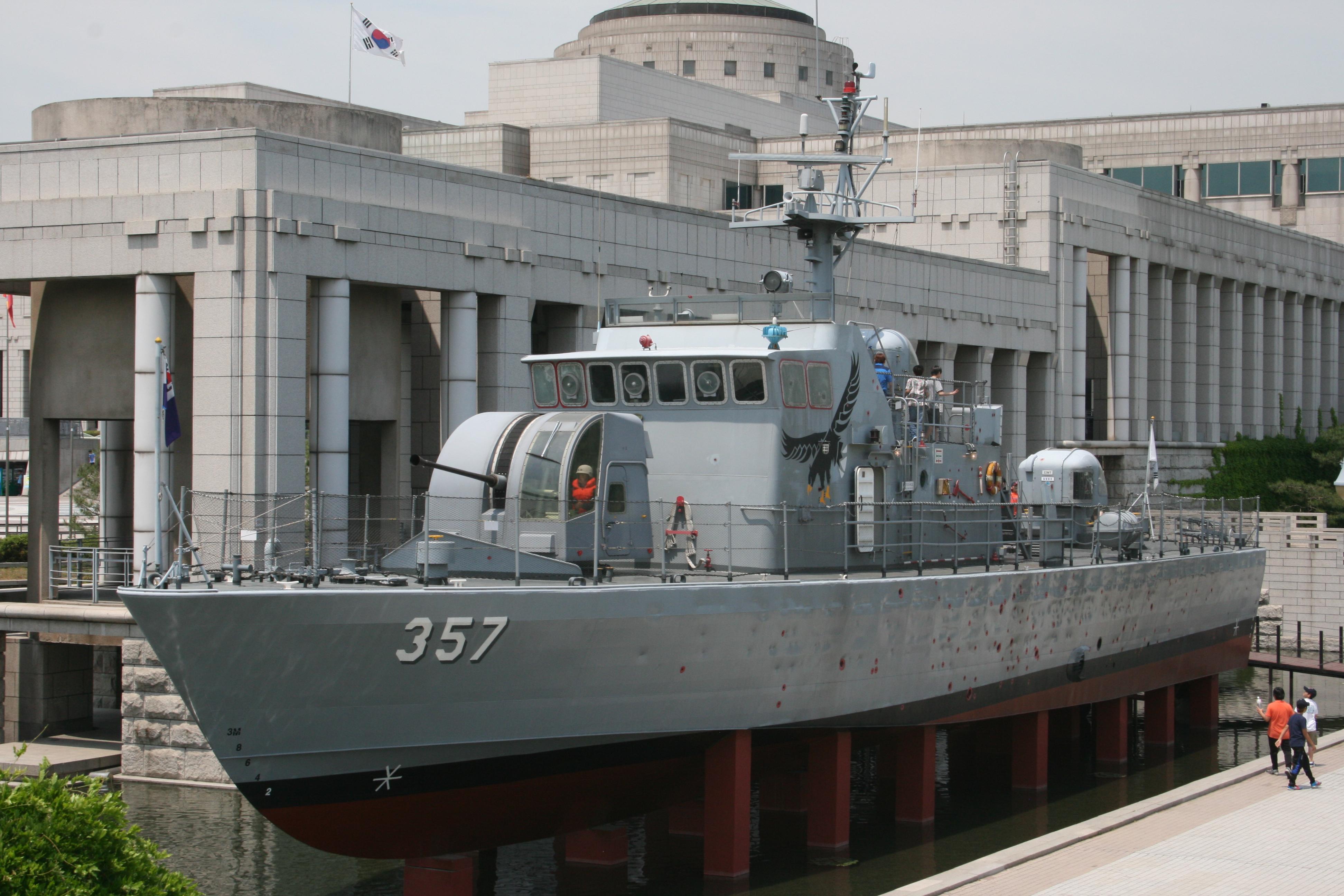 It’s not just aircraft. There are full-sized PT boats and other naval vessels.
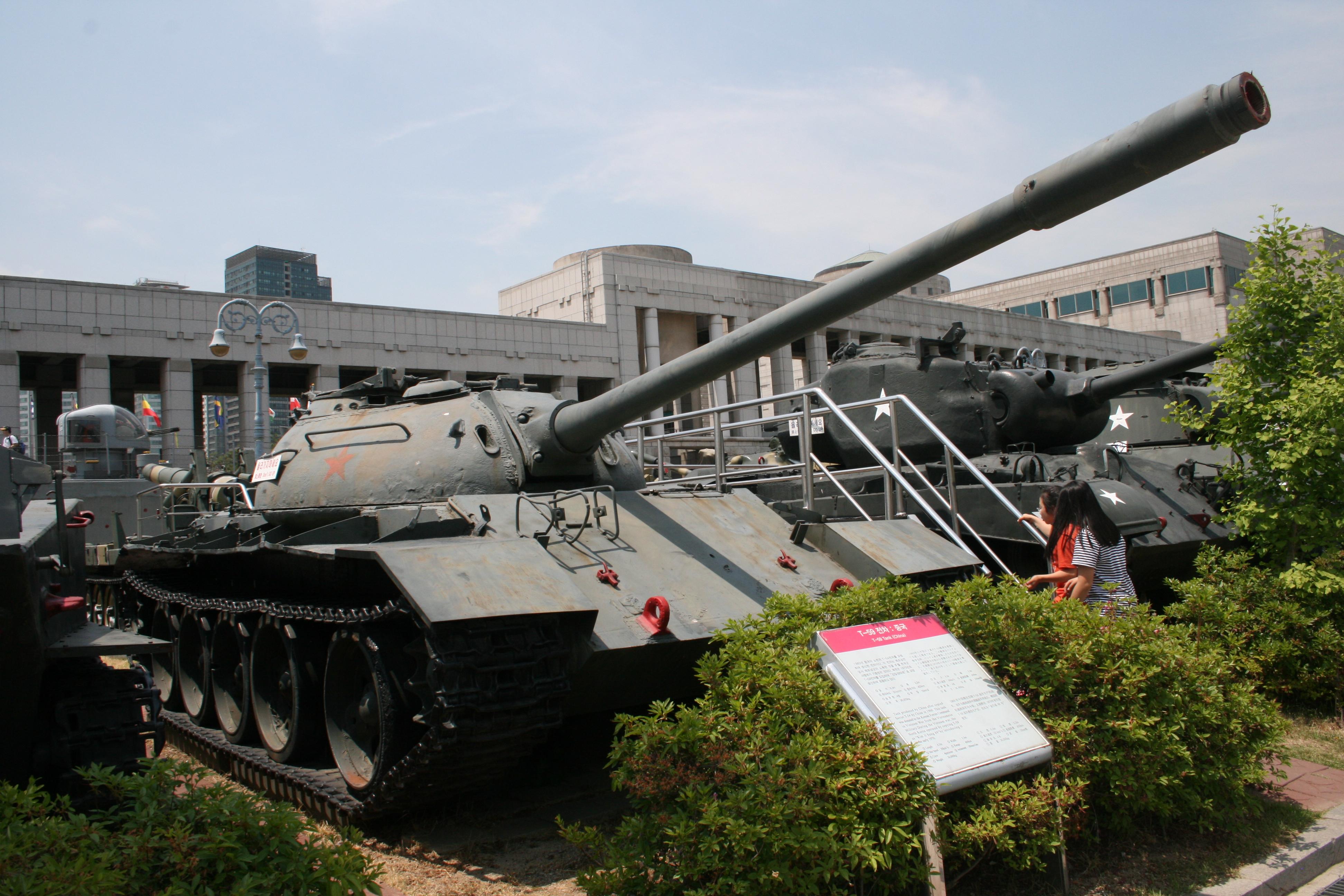 Tanks, some from the South/UN/US side, some from the North/China/Soviet side. (I’m sure there were old artillery guys who were thinking the same things about Patton and Sherman tanks that I was thinking about the P-51 and B-52!)
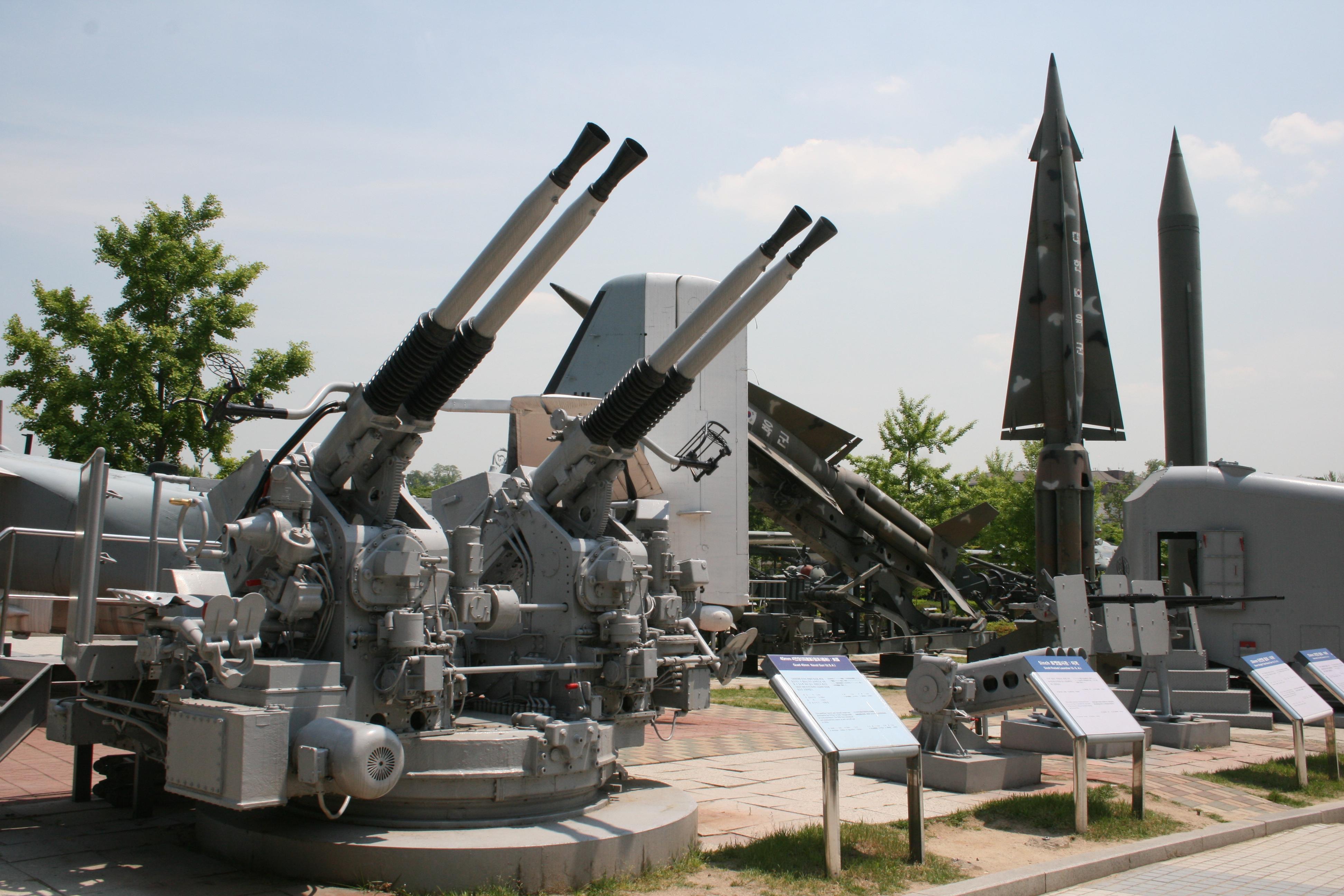 Anti-aircraft guns and guided missiles to shoot down enemy aircraft, particularly bombers.
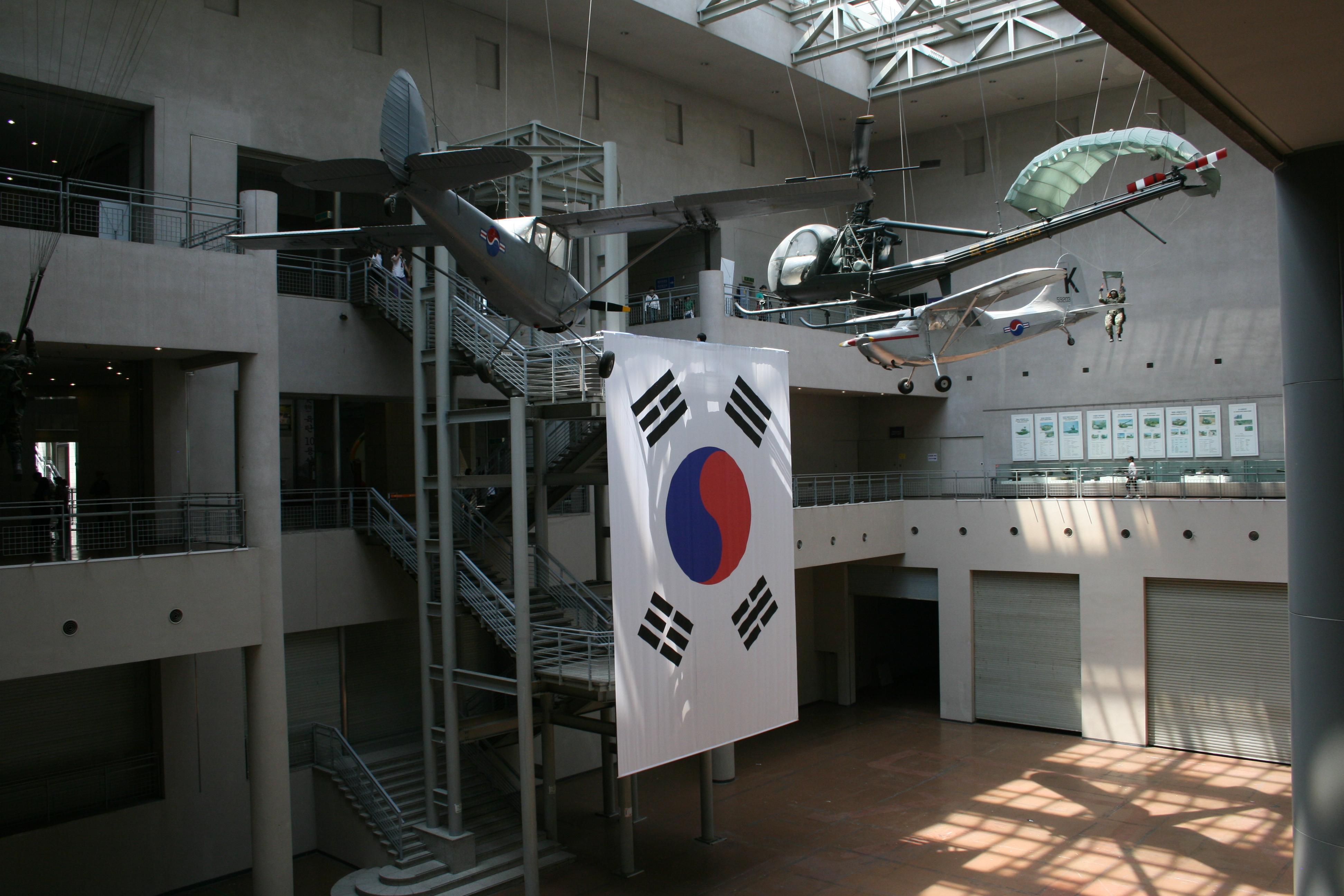 Inside, the museum is huge with dozens of large halls surrounding a large, central, open space. This one had small aircraft, helicopters, and parachutists in the air.
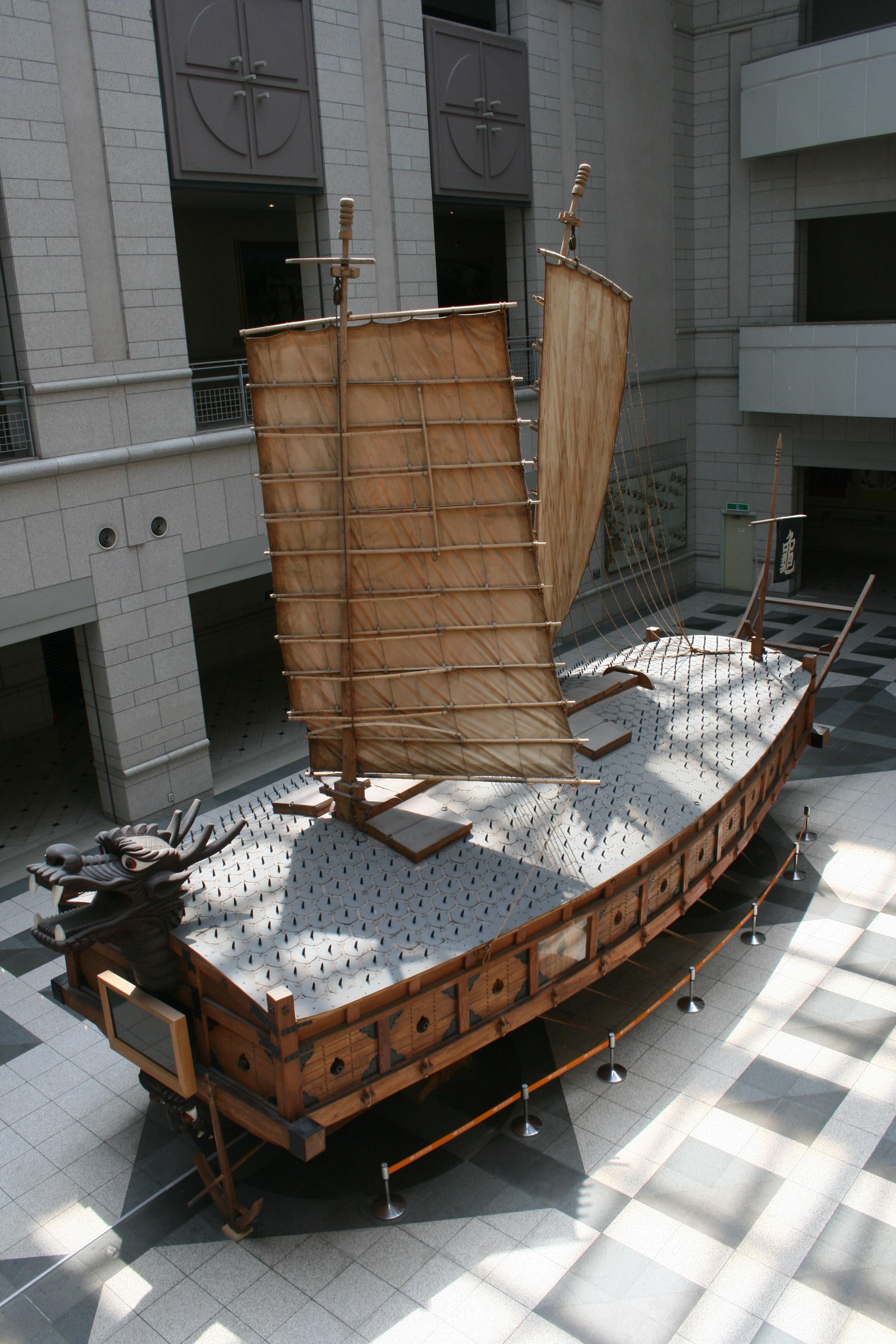 It’s not just the Korean War and World War II that are the subjects of this museum’s collections. There are large halls and exhibits dedicated to historical conflicts going back over a thousand years. This is a replica of a Kobukson or “Turtle Ship”, used by the Choson Dynasty from the 15th through 18th Centuries.
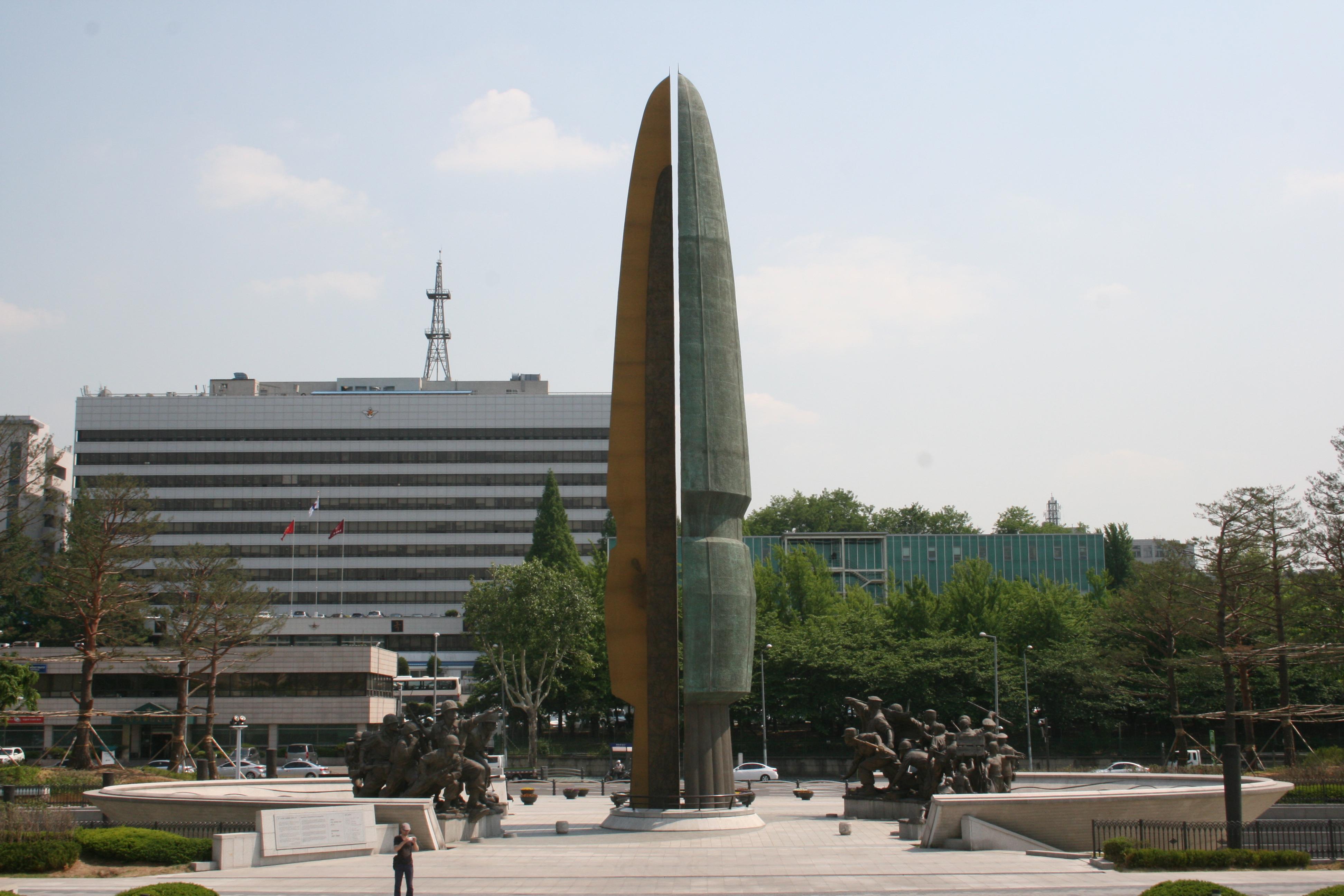 The front of the museum is the site of a large plaza that’s used for various ceremonies and celebrations on national holidays. The plaza is surrounded by dozens of flagpoles, each flying the flag of one of the countries that helped to defend South Korea during the Korean War. On many black marble slabs and walls are listed the names of all who died, including policemen on duty, not just soldiers.
The focal point of the plaza is a large sculpture dedicated to those who fought and died in the Korean War. (The large white office building across the street is the South Korean Ministry of National Defense. Probably not completely an accident that the people trying to prevent the next war get to look out on the memorials to the last one.)
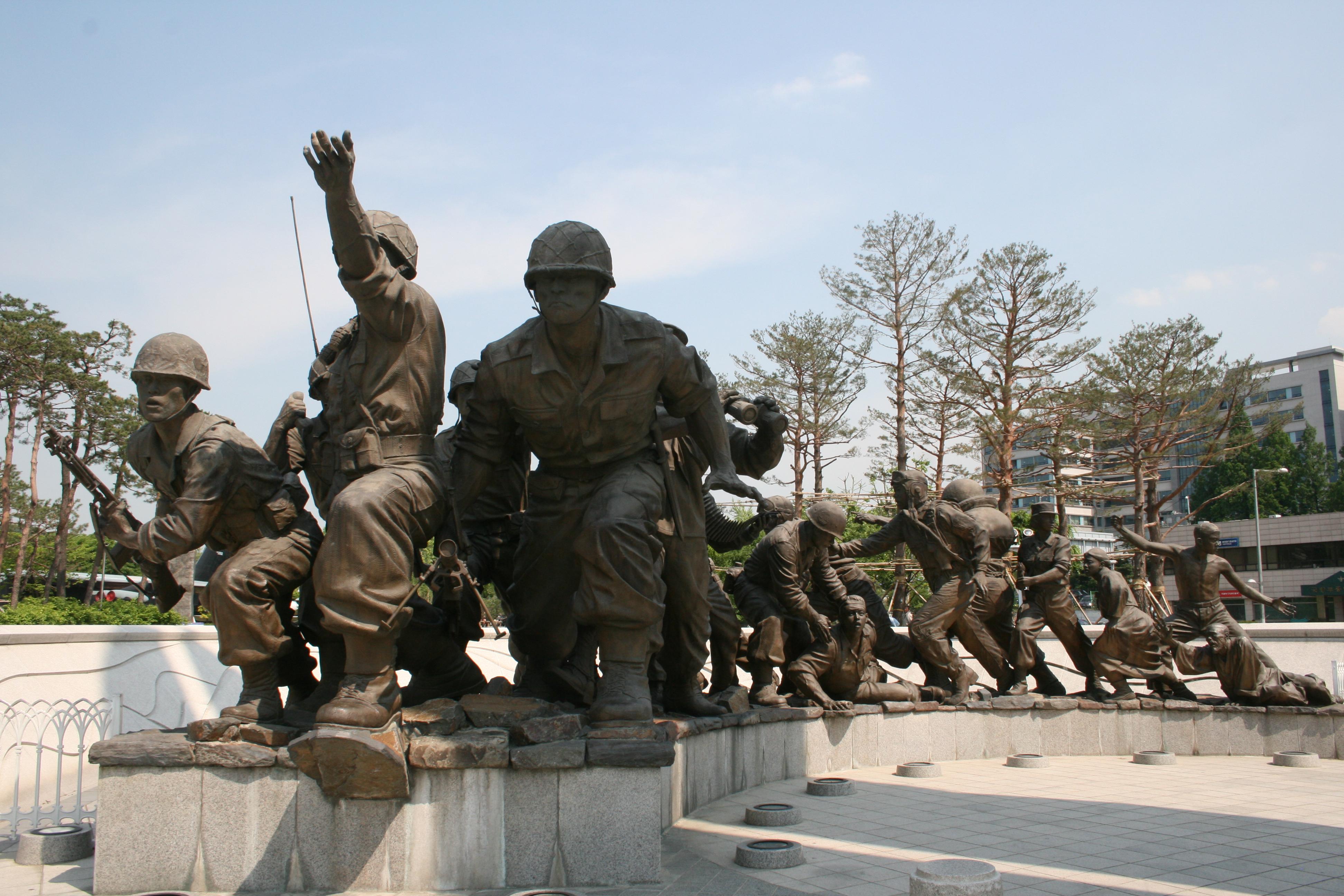 One side of the arc of bronze sculptures shows the United Nations and United States soldiers coming to the aid of South Korea.
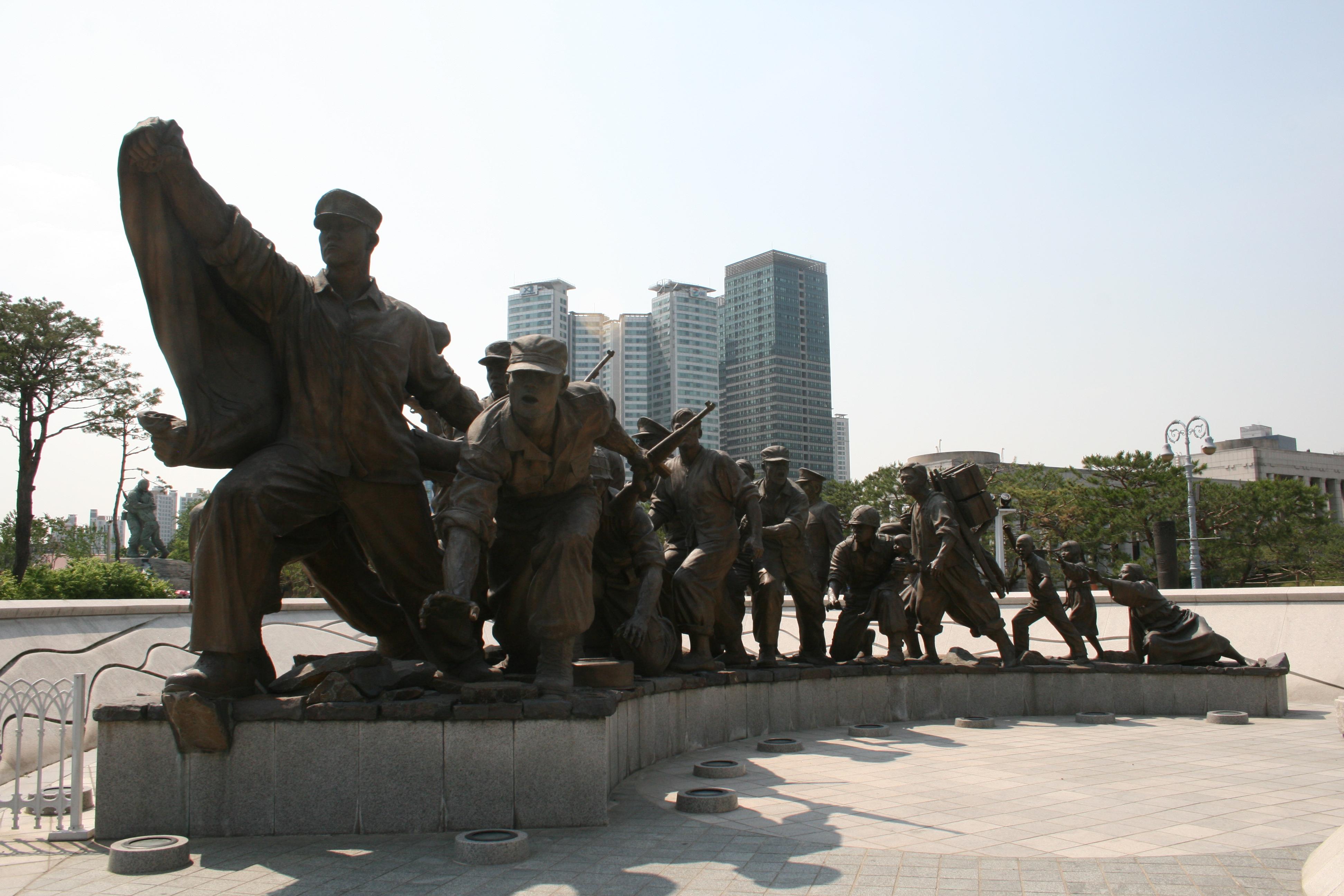 The other side shows the South Korean soldiers and people fighting to save their homeland. (I’m a huge sucker for bigger-than-life bronze sculptures like this — wait until we get to London and the “Battle Of Britain” monument!)
Following a long visit here, it was time for something a bit less somber and much more entertaining.


 We Love The Stars Too Fondly