
To Recap: In May, 2012 I went to Asia on the “Three-Countries-Three-Weeks-Three-Kids” tour. The first stop on this once-in-a-lifetime trip was Shanghai, followed by several days in Seoul. Now I was footloose and fancy-free (i.e., lost a lot) in Kyoto, Japan. I found one of the most beautiful and interesting places I’ve ever seen — just search for “Kyoto (Part Two)” through “Kyoto (Part Nine)“. (Yeah, that’s a lot of pictures of one place.) Now it was time to start seeing the other sights of Kyoto.
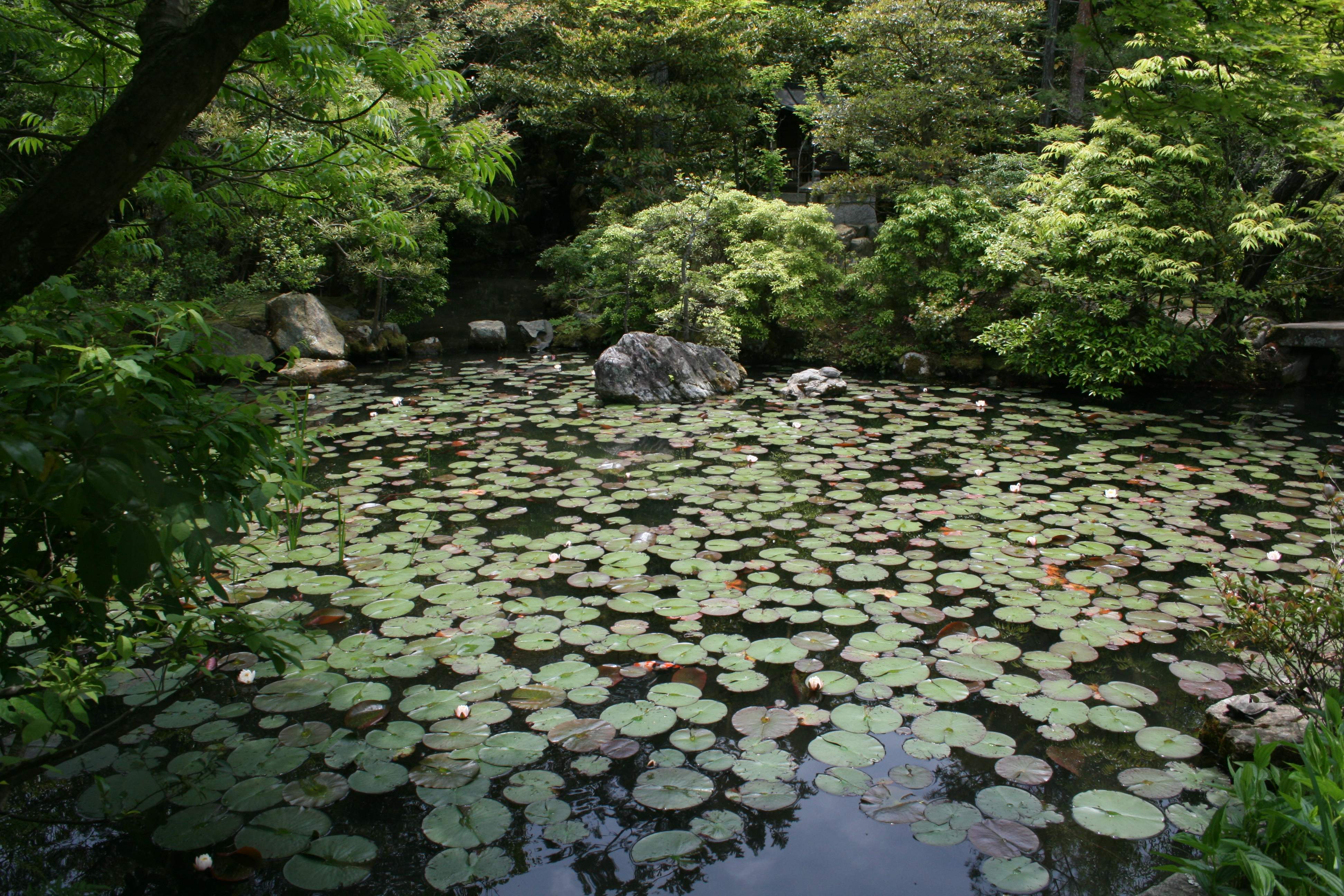
Throughout many of the shrines and temples in Kyoto were ponds such as this one. They’re not there by accident, but designed for their beauty and peace. This is where one could spend hours meditating.
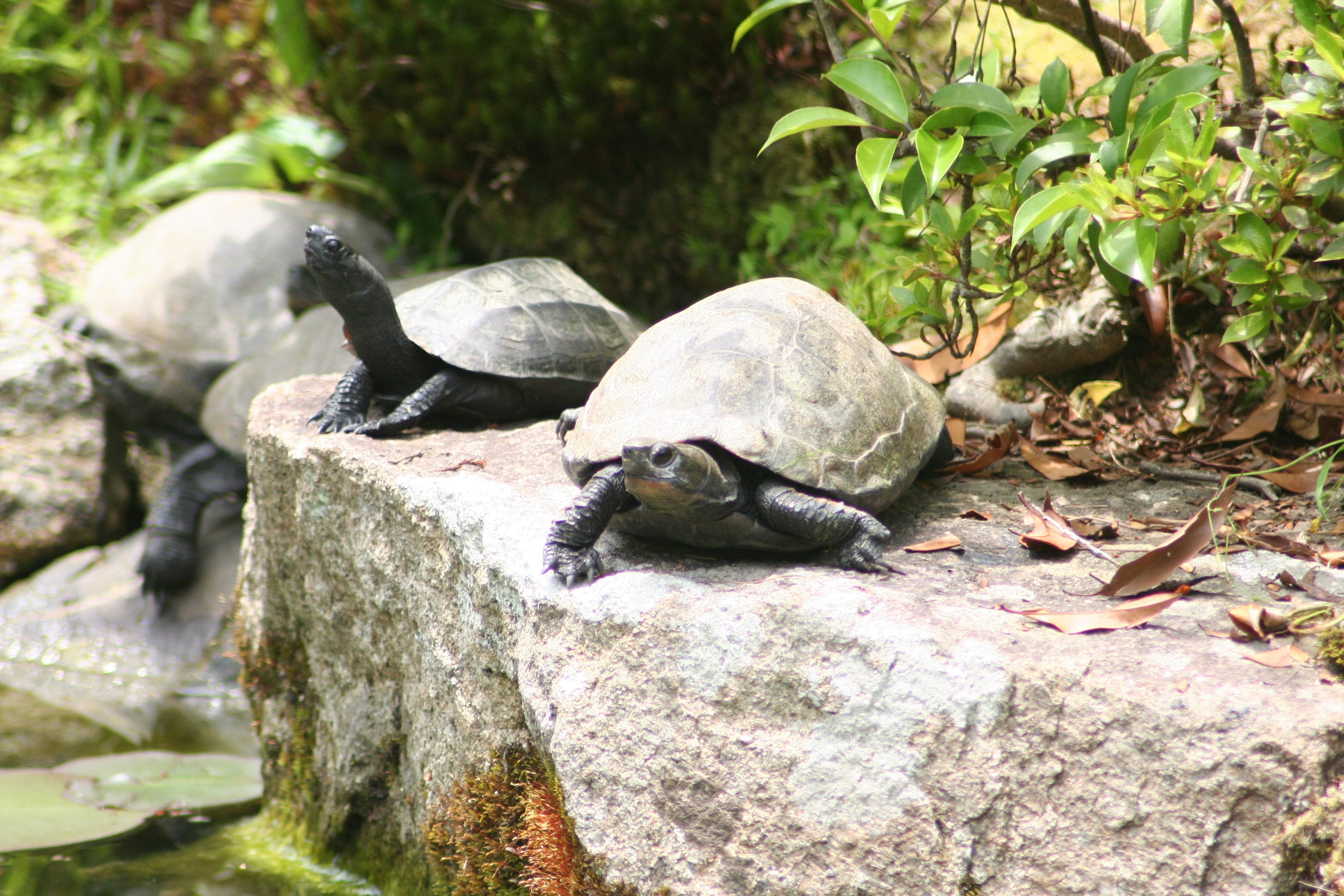
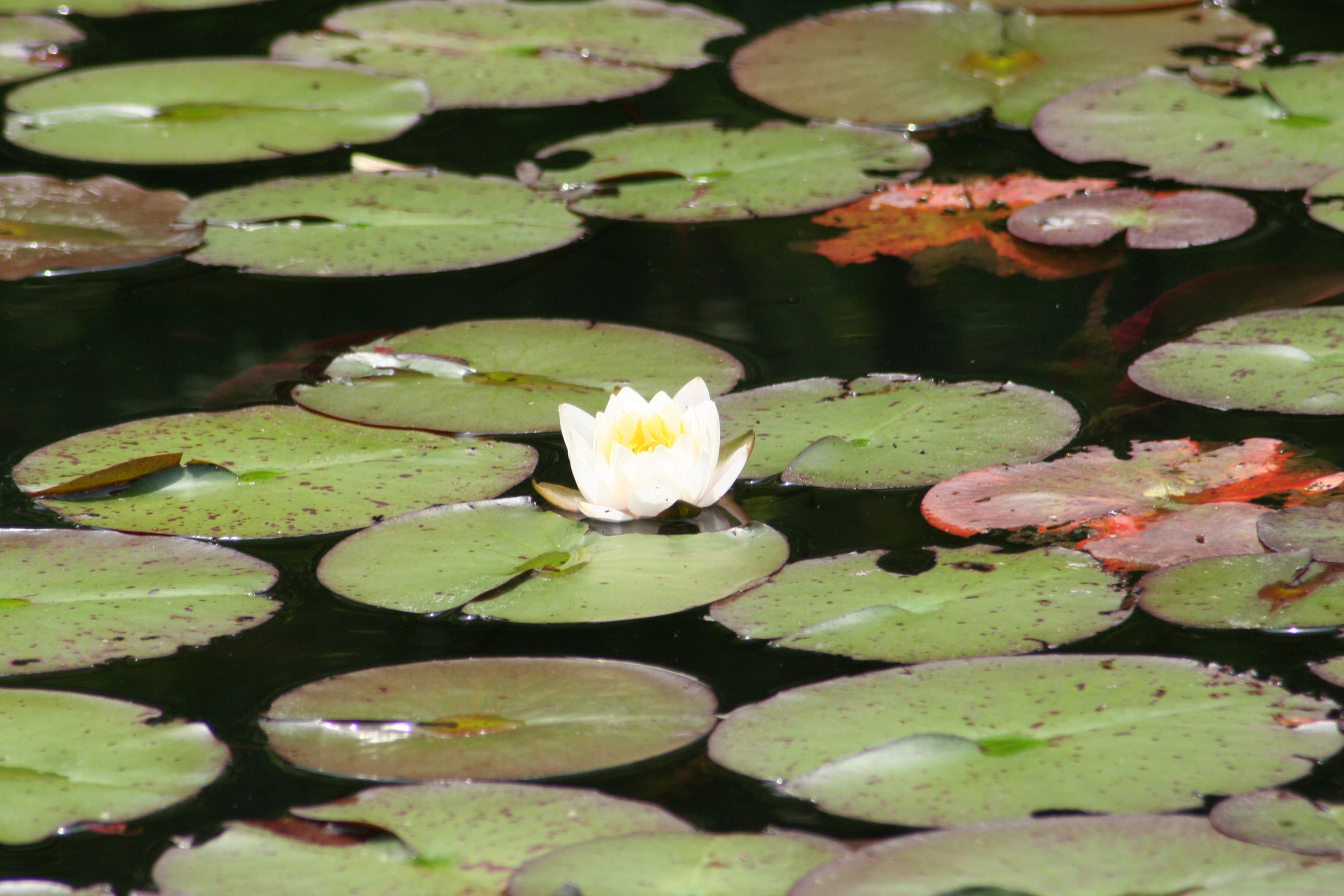
The turtles had the whole zen thing down pat. As did the lotus blossoms.
The phrase I’ve seen recently is something like, “One should always meditate for one hour a day, unless one doesn’t have the time, in which case one should meditate for two hours a day.” I get it. I really do. I’m just having trouble executing that plan.
For the record, I was on a “mission from God” to get through as many new sites and experiences as I could cram into each country and city visited, so I was OBVIOUSLY doing the “calm” and “peaceful” thing incorrectly. (Also for the record, I was not the “ugly American,” I was just trying to maximize what might turn out to truly be a once-in-a-lifetime experience.) It would be wonderful to come back when I had hours to spend just sitting. Even someone like me might actually be able to unwind!
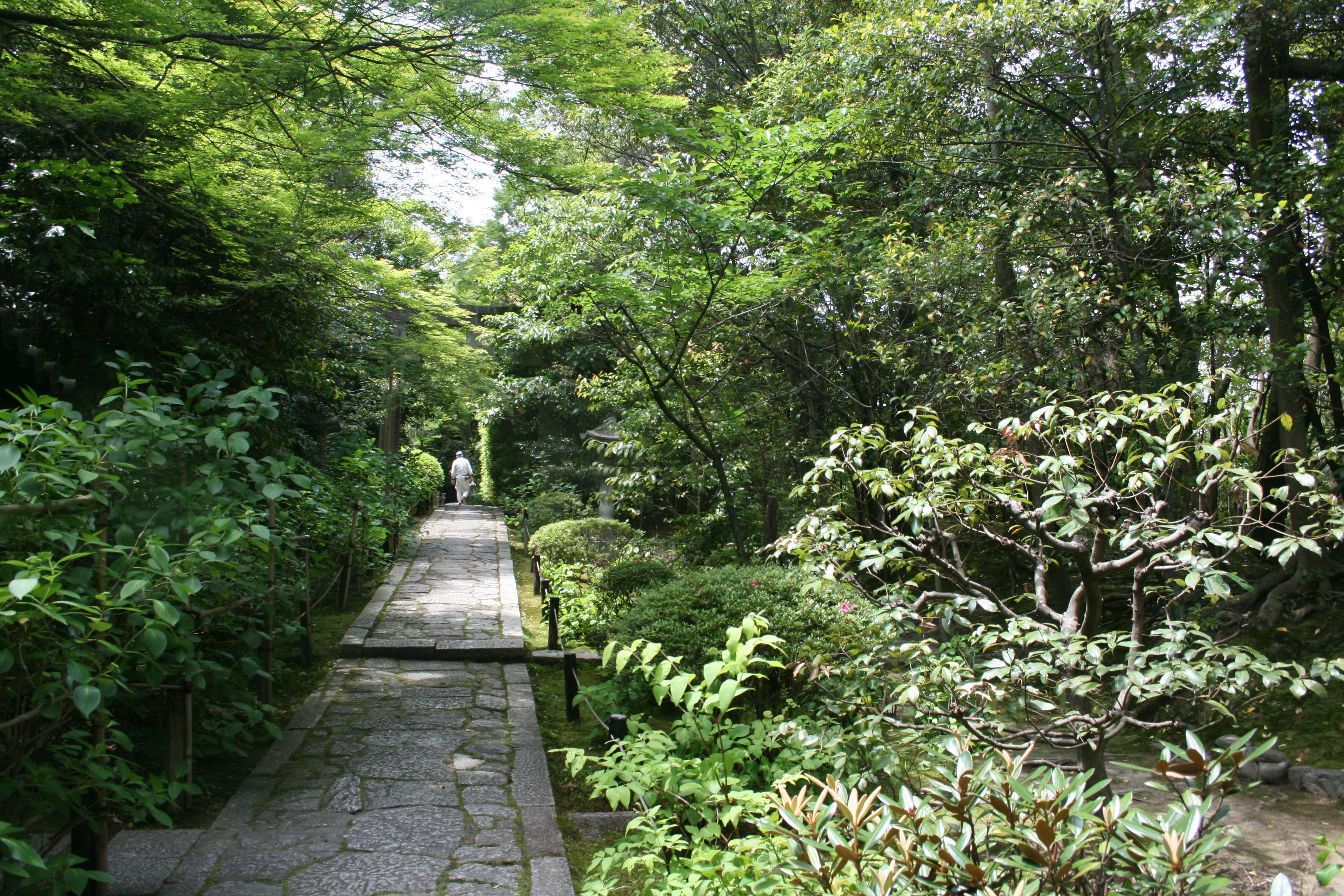
The Konchi-in Temple is a Zen Buddhist shrine. After the shrine was established in 1400 at Takagamine, it was moved to the current site in Kyoto in 1627.
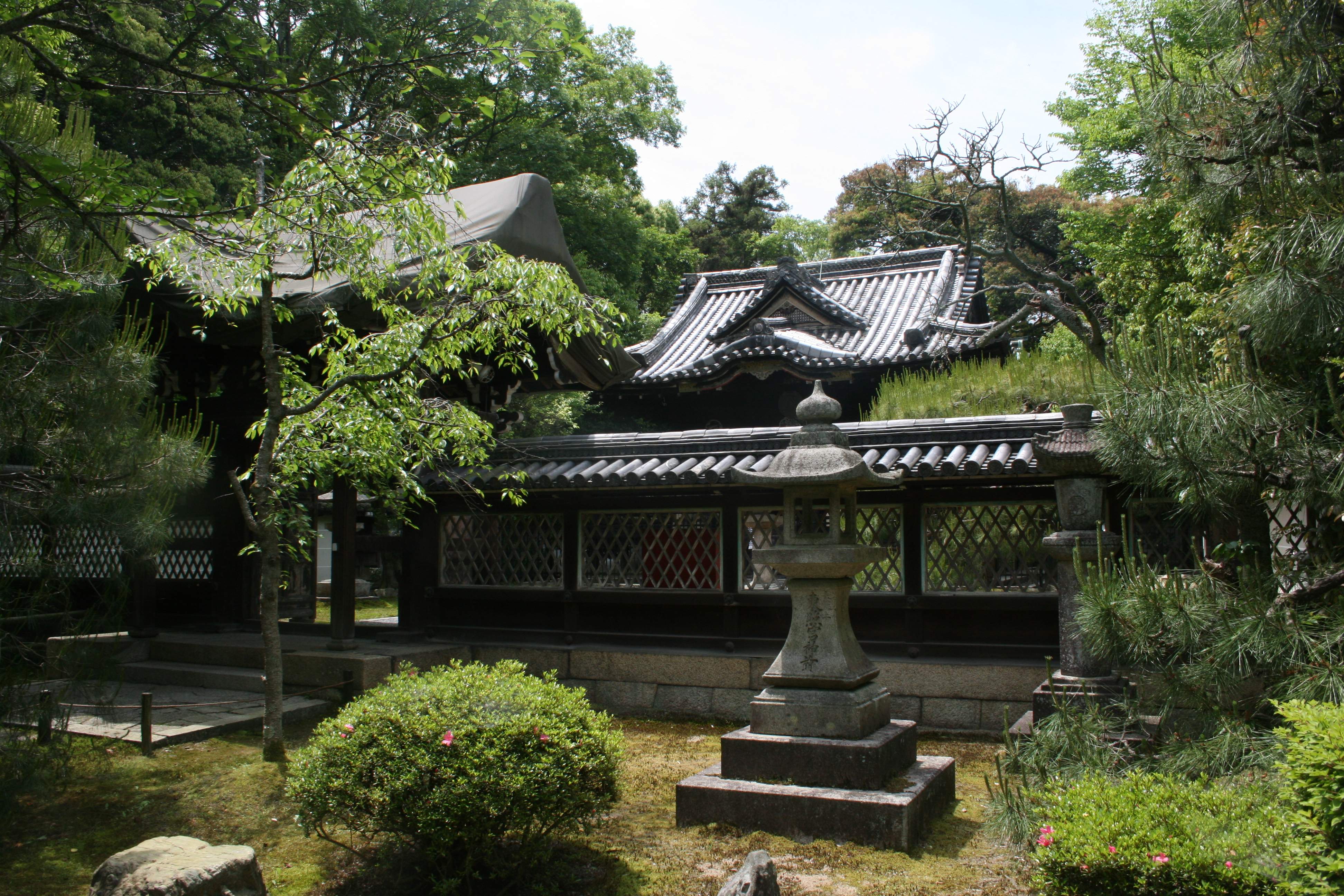
The temple was built in the typical “shoinzukuri” style, with hip-and-gable roof designs. The doors slide open instead of using hinges, and were painted by Kano School painters.
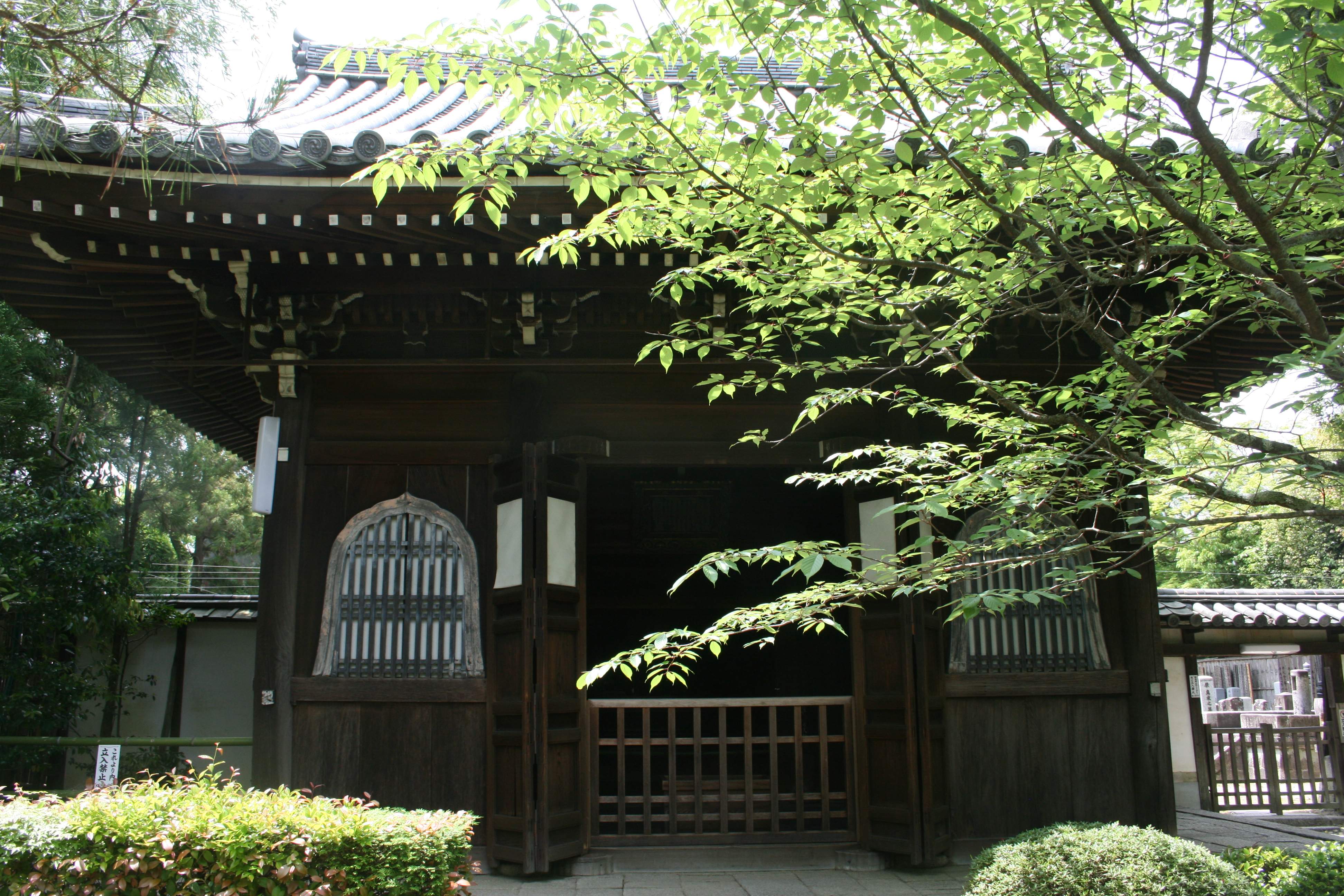
While they’ve been maintained for centuries, it’s not to say that they’re absolutely the exact same way they were five hundred years ago. For example, I’m guessing that the neon light fixture at the top of the corner pillar on the left is not an original 15th century design.
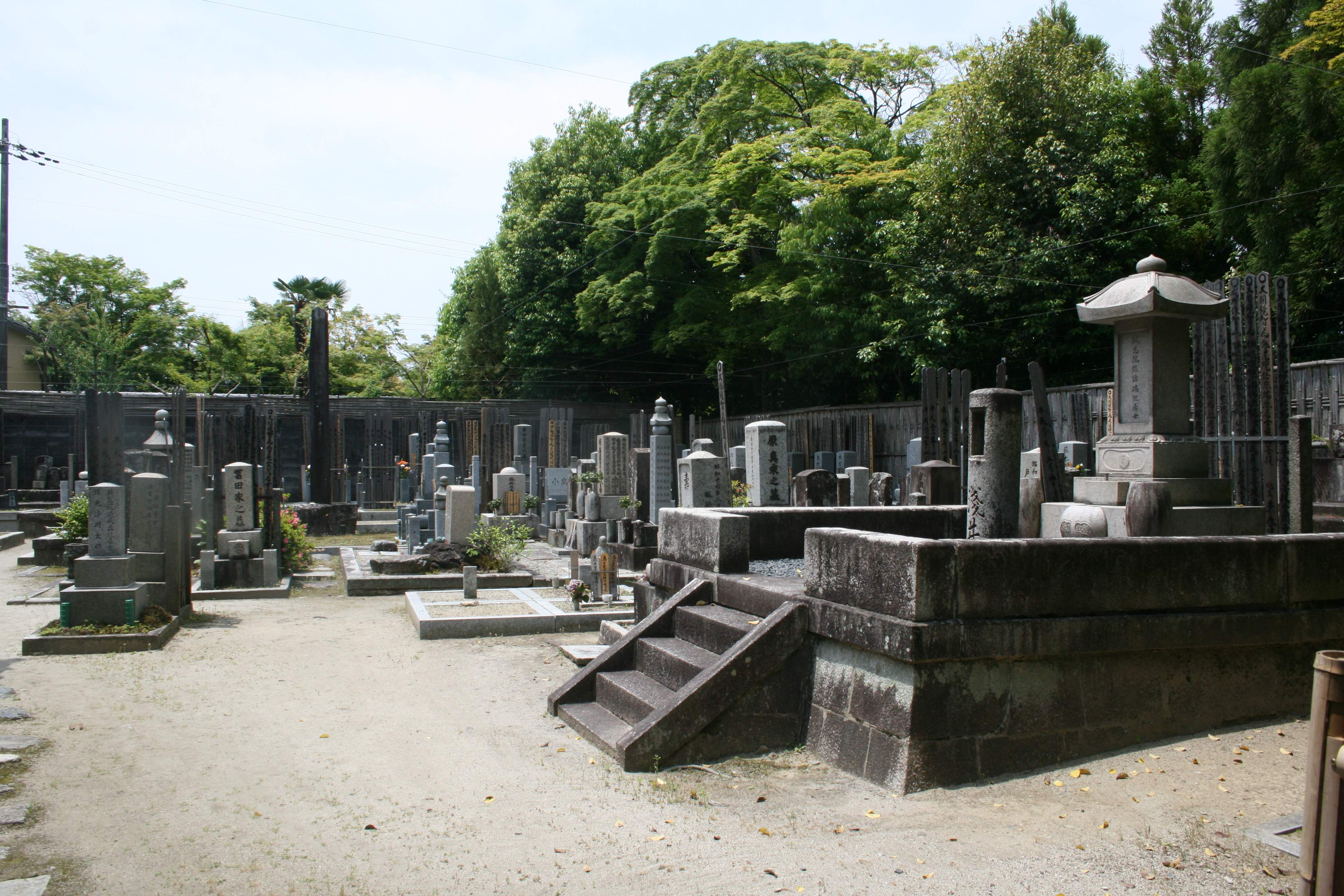
Next to one of the temple buildings are more shrines in what I would guess to be a graveyard.
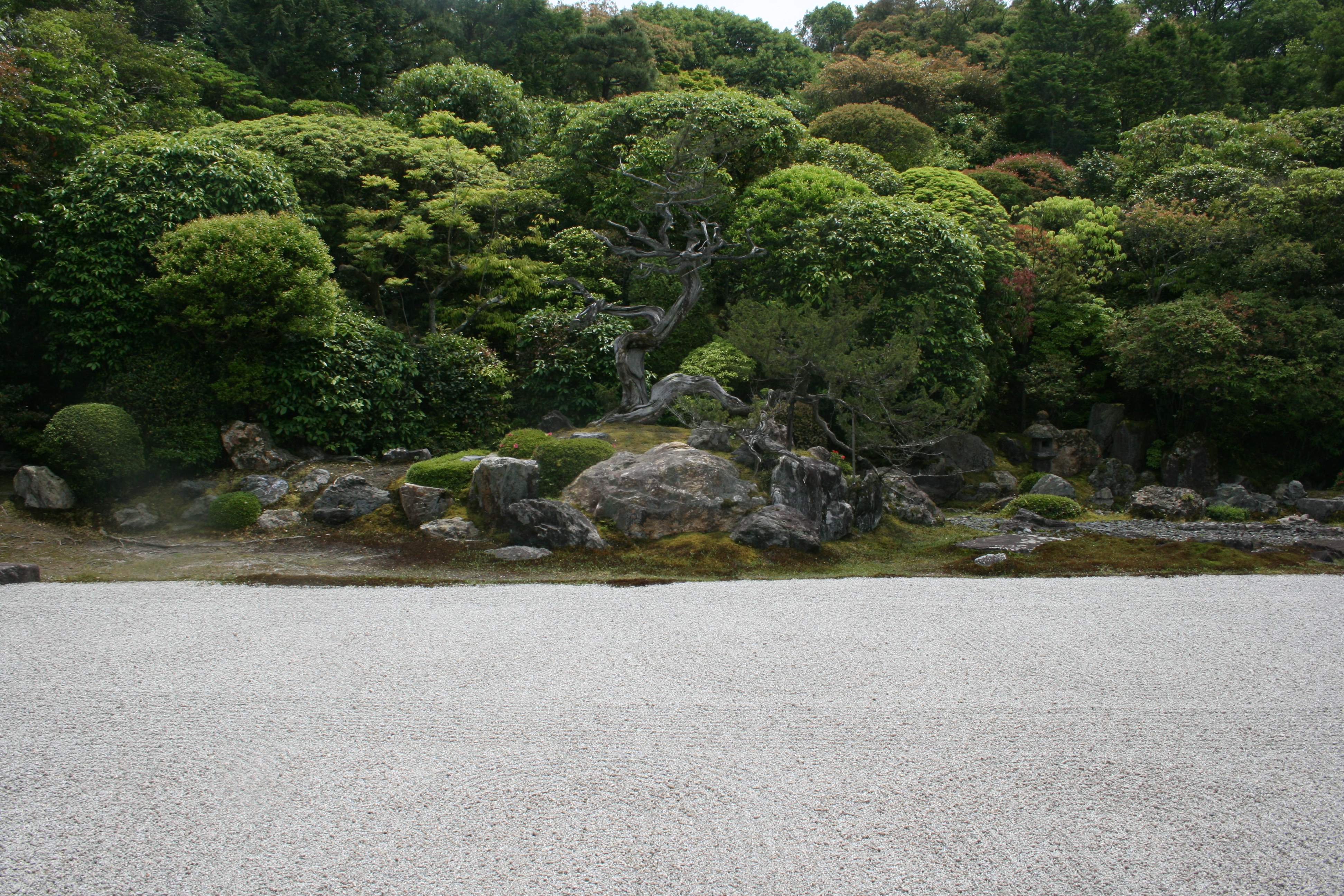
These rock gardens are exquisite. The pure, white gravel is groomed into all sorts of intricate patterns. On the far side you can see trees that have been meticulously groomed and cared for for almost five hundred years.
Here we stopped and sat for a while.
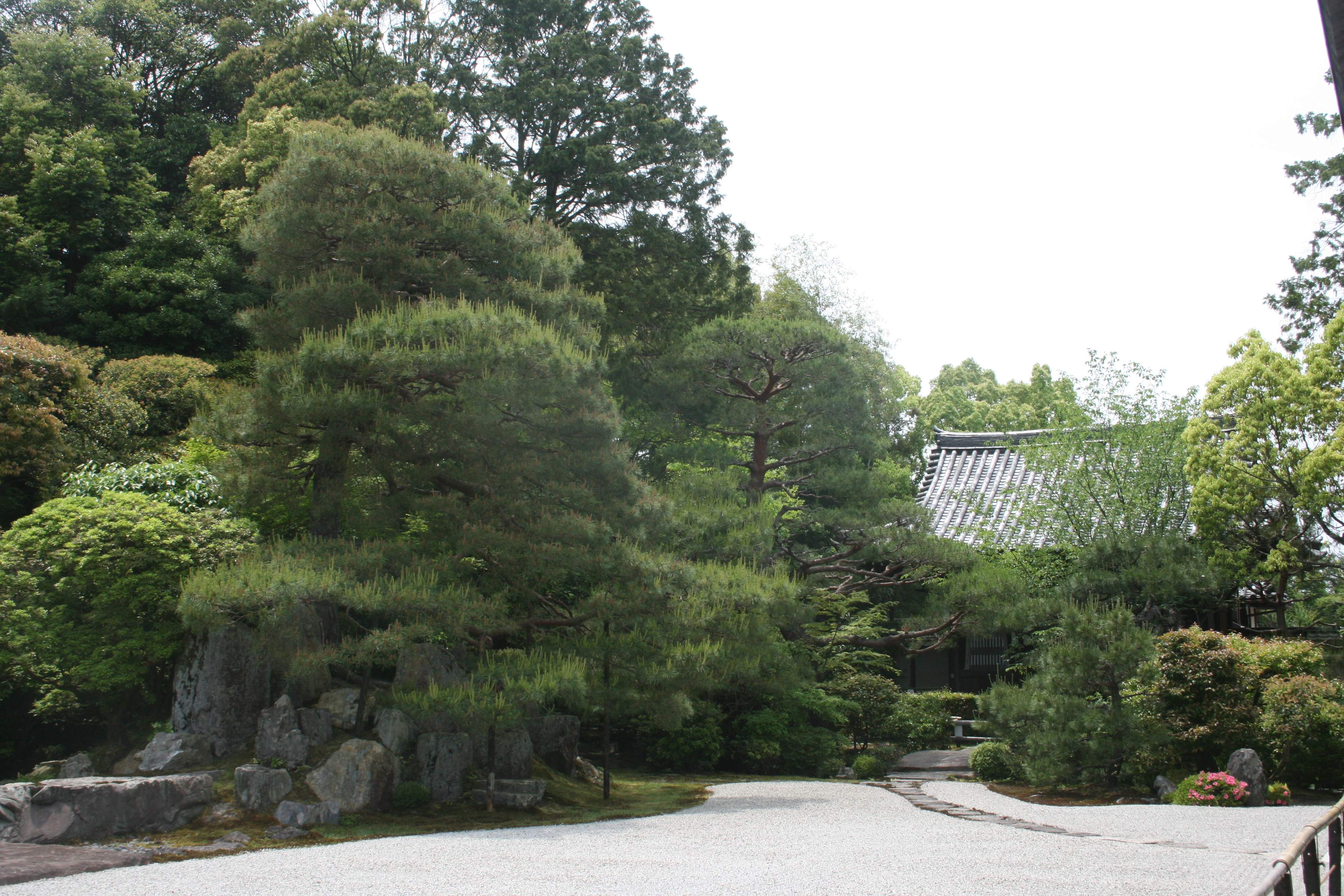
This (and the picture above) are the Hojo Garden, completed in 1632, and designed in part by Kobori Enshu,who also designed some of the other buildings on the site. These gardens have been officially designated as a “spot of scenic beauty.” It may have lost a bit in the translation, but we got the idea.


 We Love The Stars Too Fondly