
To Recap: In May, 2012 I went to Asia on the “Three-Countries-Three-Weeks-Three-Kids” tour. The first stop on this once-in-a-lifetime trip was Shanghai, followed by several days in Seoul. Now I was footloose and fancy-free (i.e., lost a lot) in Kyoto, Japan. I found one of the most beautiful and interesting places I’ve ever seen — just search for “Kyoto (Part Two)” through “Kyoto (Part Nine)“. (Yeah, that’s a lot of pictures of one place.) The next day my daughter didn’t have classes so she started showing me the other sights of Kyoto, including beautiful and ancient temples along the Philosopher’s Path.
Not too far from the Golden Temple (we took the bus – Kyoto has an excellent public transit system of buses and subways, although I’ll admit that having a “native guide” helped) is the Nijo Castle. Surprise! Yet another UNESCO World Cultural Heritage Site!

From the outside, it’s obvious that this was a fortress, complete with moat! Built in the early 1600’s in order to defend the Imperial Palace (which is a couple blocks away), it was also used as an official residence for visiting dignitaries.

Classic Japanese architecture, with guard houses like these at each corner. Very feudal.
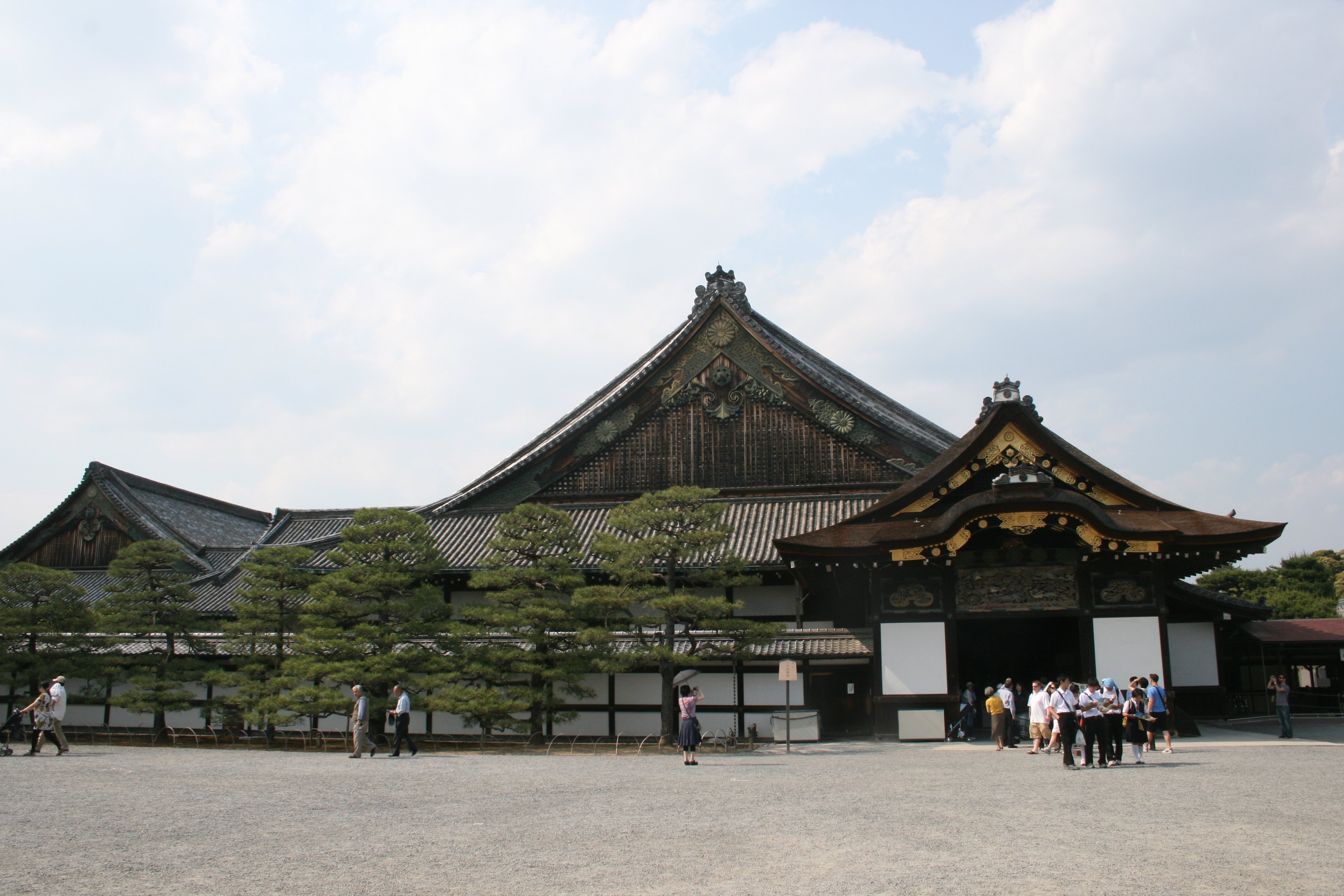
Inside, Ninomaru Palace is huge. Five buildings, thirty-three rooms, 3,300 square feet, with over 800 Tatami (straw mats). You can see more very ornate gilt artwork over the main door, similar to what was seen at the Golden Palace.
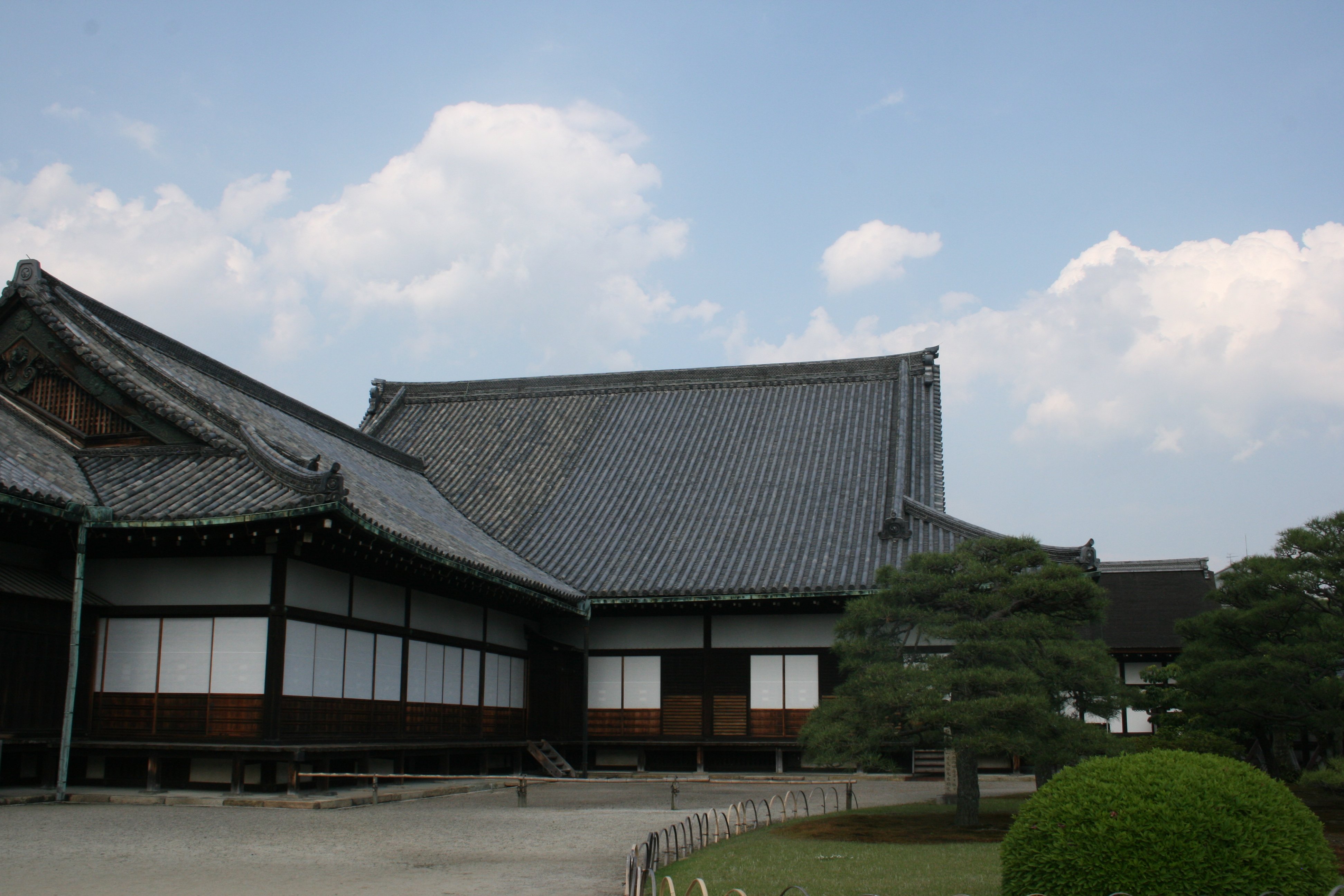
Here you can see some of the side buildings of Ninomaru Palace, looking back toward the entrance area.
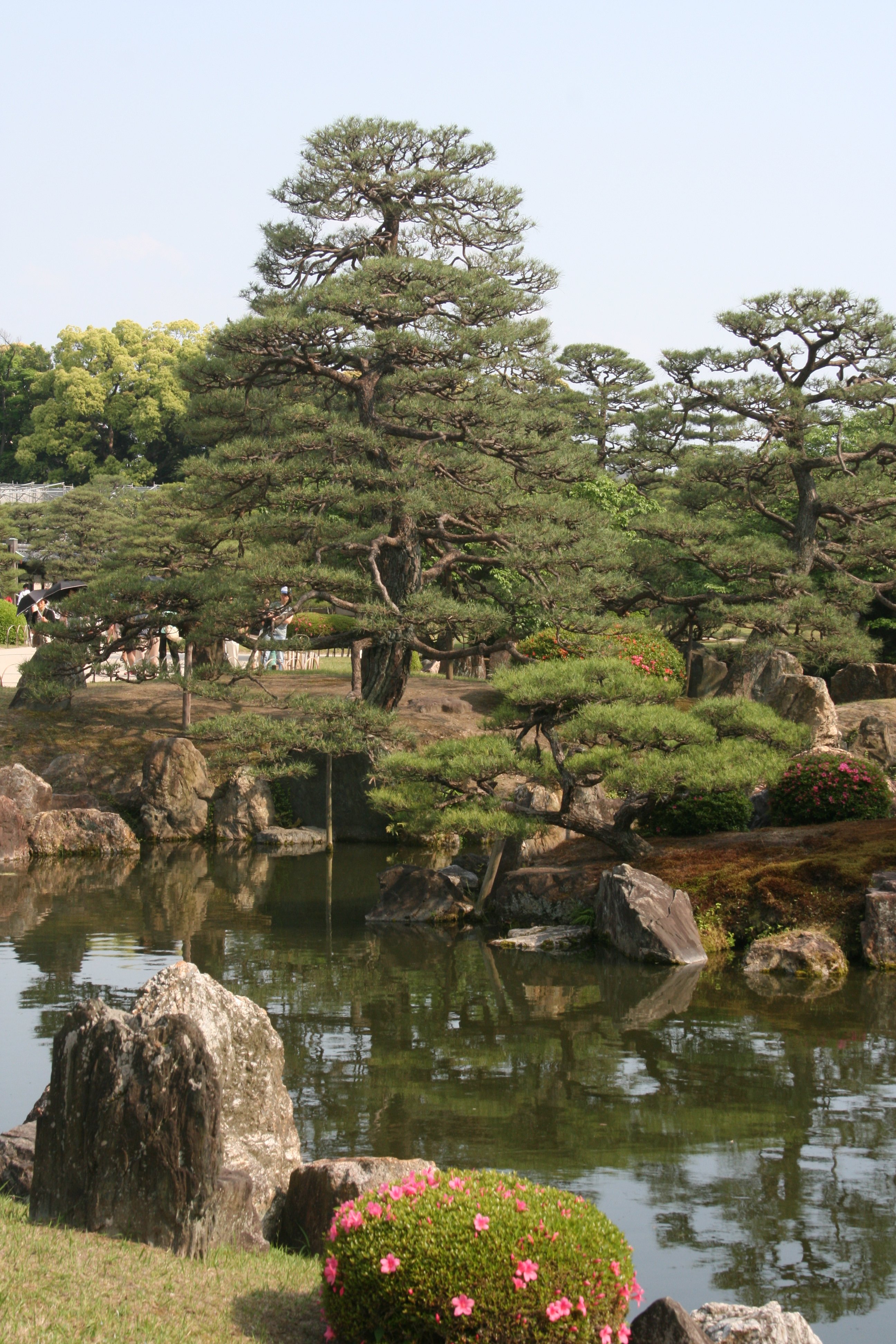
Ninomaru Garden dates back to the original construction in the 1600s and was just gorgeous. Three small islands are out in the pond – Turtle Island, Crane Island, and the Island of Eternal Happiness. (Can I live on that last one?)

For some reason I was fascinated with these ornate metal pieces (pewter? lead?) over many of the doorways. There were a lot of them – I had big memory cards for my cameras.
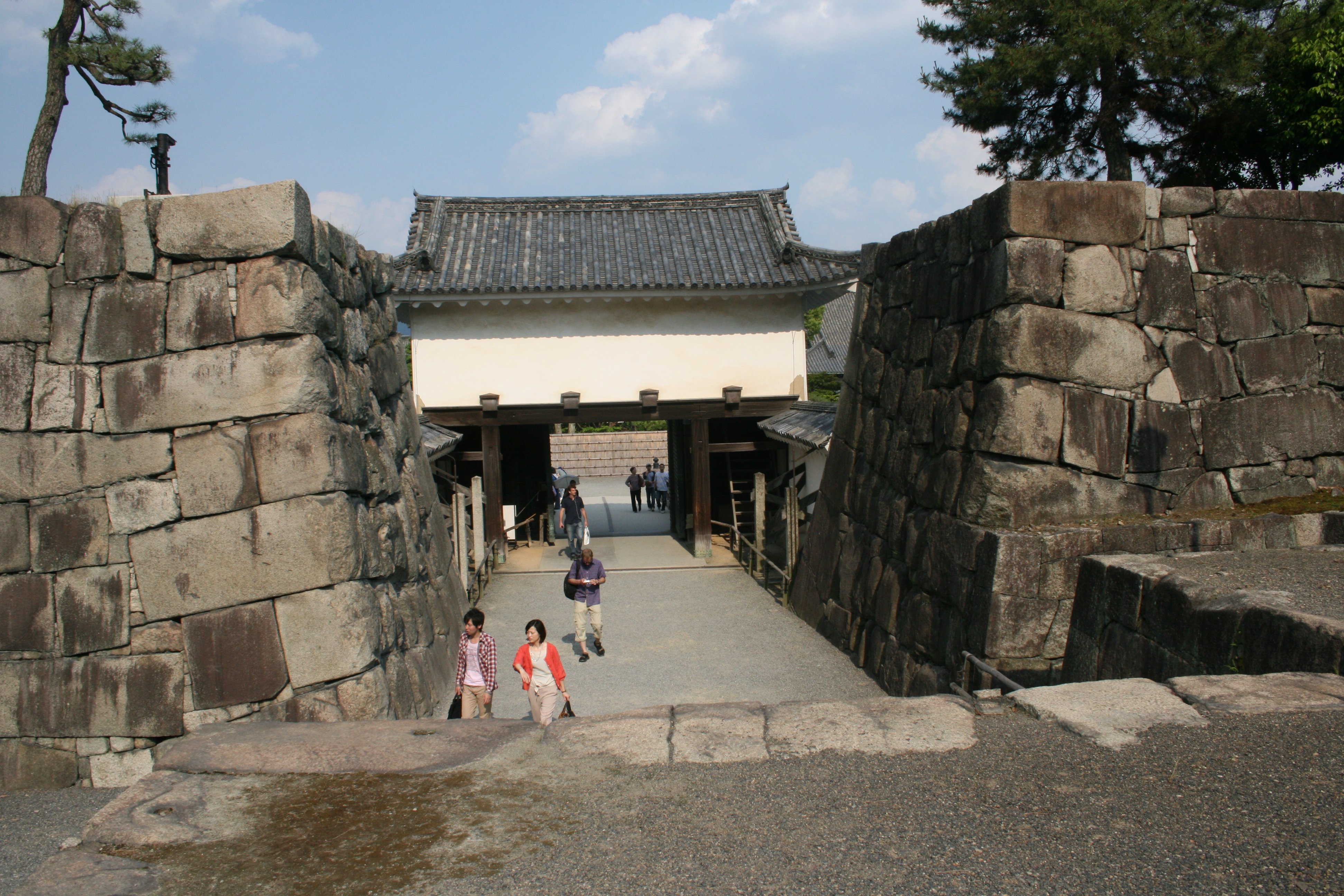
Inside the Nijo Castle grounds is Honmaru, a separate, interior fortress. The size of the blocks in these walls and the walls themselves was quite impressive.
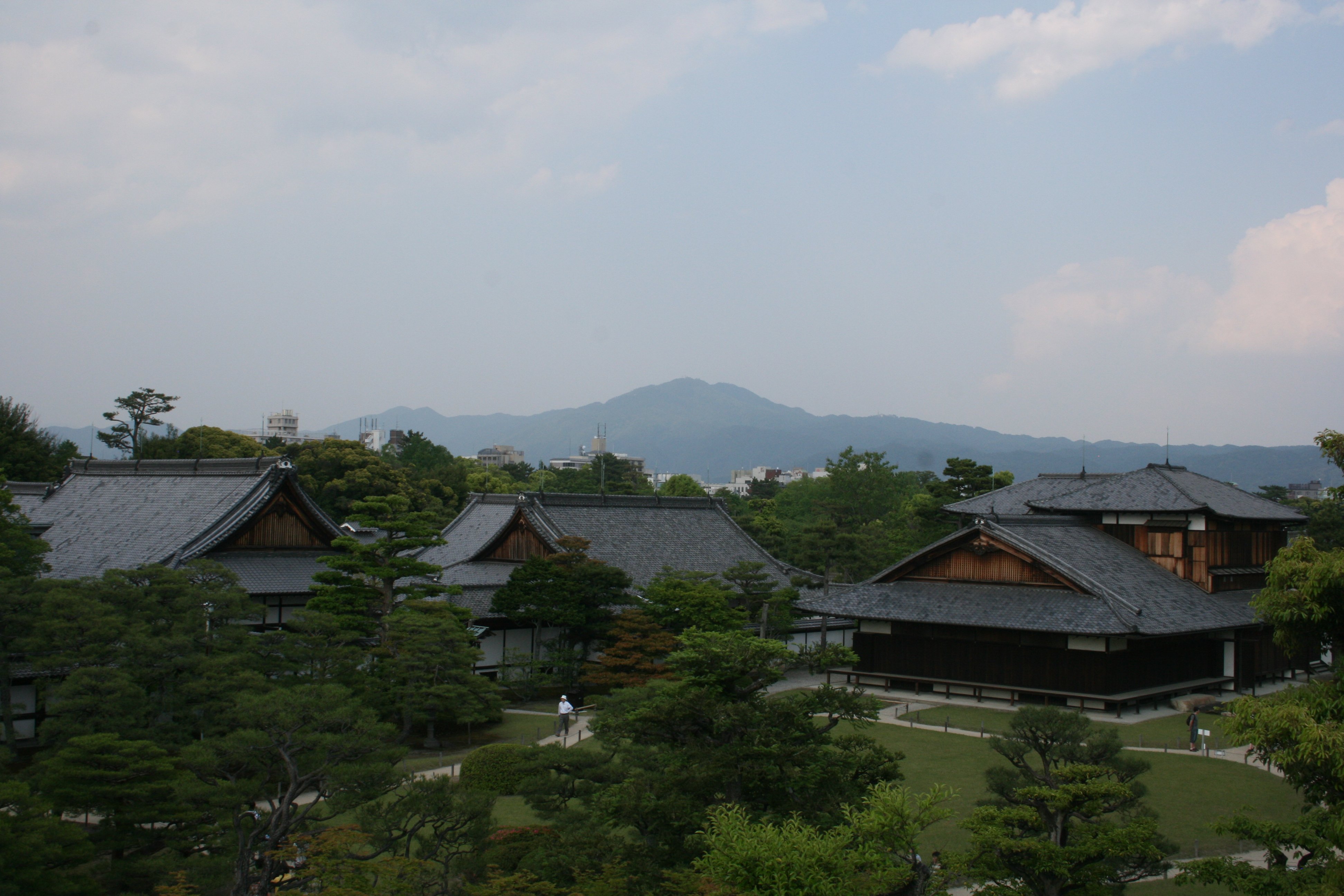
Honmaru consists of several buildings in a style typical of court buildings of the age. It also has a large garden on the grounds, very beautiful.
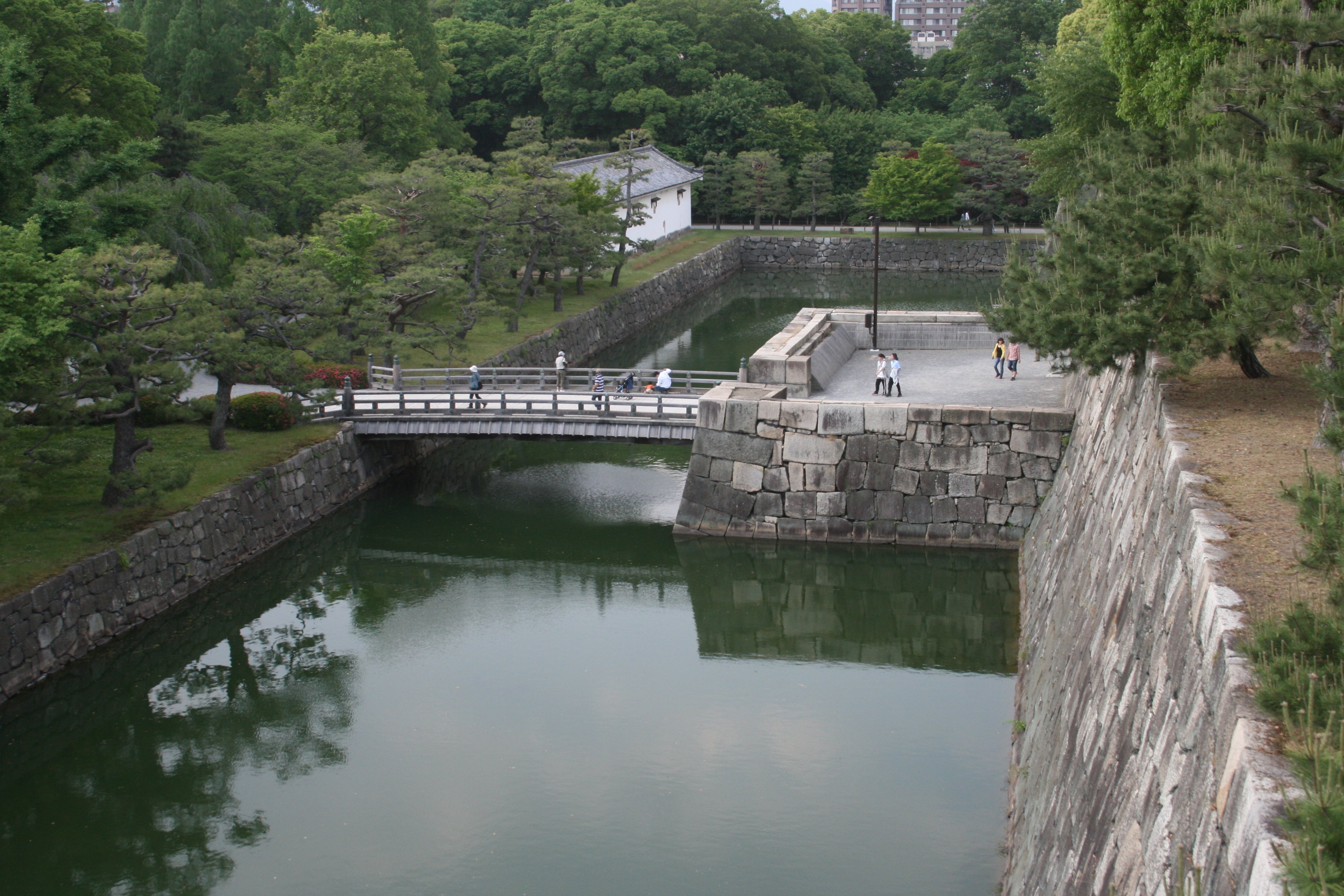
On one corner of Honmaru is a huge, raised Donjon. It towers above the area and gives a commanding view. Given the purpose and military function of the donjon, this would be sort of where the term “commanding view” came from. Here you can see one of the two bridges crossing the inner moat which surrounds Honmaru.


 We Love The Stars Too Fondly