
So many aspects of time are purely human constructs. While they might be things that rule our existence every day, seconds, minutes, hours, and weeks are about as arbitrary as they get. Seconds are sort of synched to the normal resting human heart rate, but that’s approximate at best. Everything else on that list is ours because some prehistoric king or priest made it up or heard the Voice of God (I want some of what they were smoking…).
But not all time measurements. That’s one of the odd things about how we measure time. So many of the units are 100% pulled out of thin air and whole cloth – but several key ones are based on astronomical constants that have changed by only a fraction of a fraction of a fraction of a percent over millenia.

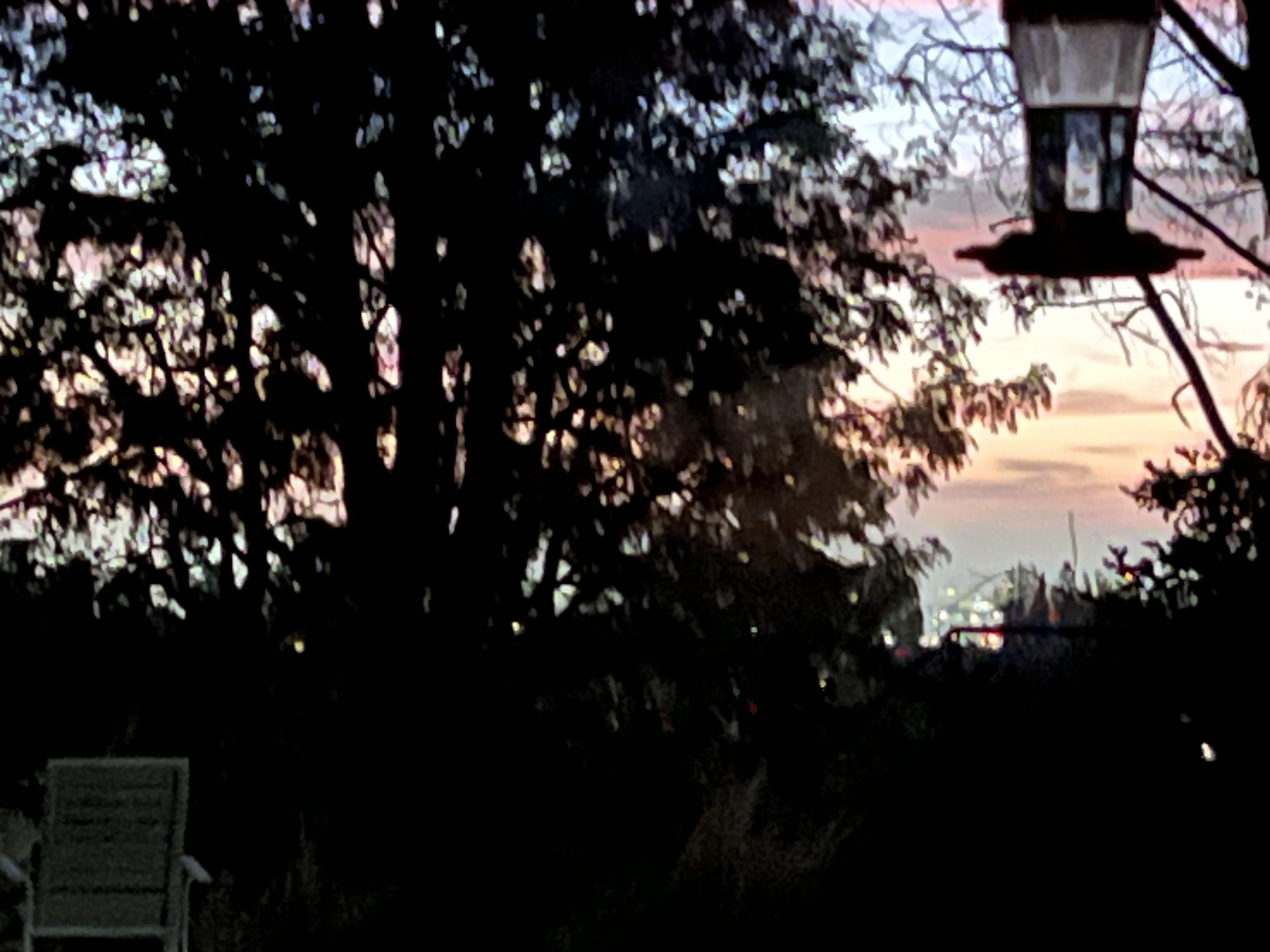
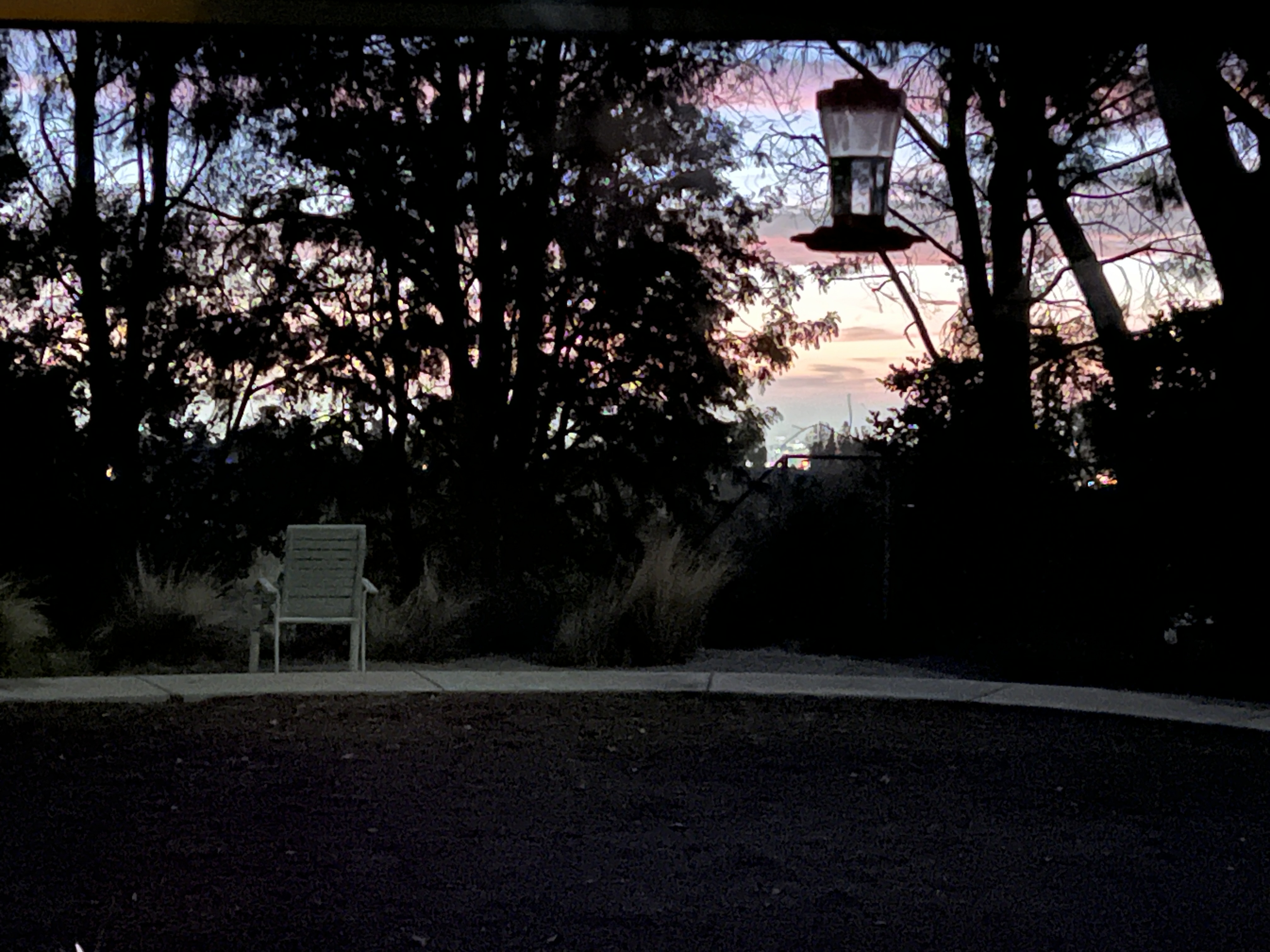
Tonight’s western sky after sunset reminds me of that. It might be a new year to us (100% random and arbitrary) but the crescent moon visible for the first time this month after new moon reminds me that the month is based on the cycle of the moon. And the year, while the start and end point of it might be only loosly tied to real events (the new year starts at or very close to the winter solstice in many societies – they knew when the days started getting longer again and the light and warmth of spring and summer were on their way back, they had to know to not starve to death), the length of it was tied to the Earth’s orbit around the Sun.

Although not tied to our current calendar (I wouldn’t be surprised if some ancient calendars had tie ins to the movements of the brighter planets like Venus and Jupiter), Venus was well known as both the Evening Star and the Morning Star. It was a big deal when some ancients figured out that they were one and the same!
So as our 2025 starts (for better or for worse, and given today’s news…) take a moment in the evening over the next couple of days to stick your head outside around sunset and look for the Moon to be a little closer to Venus every night and then pass it and move on in three or four days. Watch the Moon get more illuminated every day. Watch for Jupiter, extremely bright almost overhead at sunset. If you have binoculars, look for the Galilean moons of Jupiter, spinning around the giant planet like a miniature solar system. Look for Saturn between Venus and Jupiter. Look for red Mars, nearing its brightest for the year in the east shortly after sunset, think about the two robots we have roaming around the sands and rocks there and sending back pictures and data every day, and the other dead robots that came before and litter the surface, just waiting for Mark Whatney to come and repair them and put them back to work. (IYKYN!)
I hope that will let everyone have a bit of perspective. As the meme goes, “You’re just a ghost, driving a meat-covered skeleton on the surface of an insignificant rock, hurtling through space.” There may be a lot of bad shit going down in 2025, but the Earth, Moon, planets, Sun, and Universe won’t care at all. In 365.25 days, we’ll be right back here again.













 We Love The Stars Too Fondly