Category Archives: Astronomy

On A Freakin’ Comet! (And Another NASA Social!)

If you were watching any of my tweets today, or if you follow any of the usual space & astronomy news channels, you know that the ESA’s Philae lander successfully detached from the Rosetta spacecraft and soft landed on Comet 67P.

In case you have any doubt — This. Was. Huge.

These spacecraft were launched over ten years ago, which means they were designed something like fifteen or sixteen years ago. Regardless of that, the feat of getting them to rendezvous with the comet was monumental. To now have the lander successfully get down to the surface just takes the awesome up a notch or two. There aren’t enough congratulations in the world right now for the ESA team that has designed and executed this mission.

We’re not out of the woods yet. The lander was supposed to anchor itself to the comet surface in order to keep flying off into space. The gravity on the surface of the comet is so small that the lander, which weighs over 200 pounds on earth, weighs less than a gram on Comet 67P. When it starts to drill or even move the camera around, it could fling itself back into space.

The problem was that they were designing blind, having no clue what the comet surface would be like. Is it soft, fluffy, and possibly deep? Is it hard and icy? A mixture? Like sand? Like gravel? Like rock? In order to cover as many bases as possible, there are multiple systems on Philae to try to anchor it. It’s not clear that those have worked.

Two harpoons were supposed to shoot out into the (assumed) ice, with the lines then reeled in to hold Philae down snug. There are also ice screws on all three legs, which can anchor the spacecraft if they can get a grip on the surface. Finally, on contact there’s a small thruster on top of the spacecraft that fires to hold it down while the harpoons and ice screws are trying to attach.

At the time that the signal was lost from Philae today (which was expected, the Rosetta orbiter is acting as a relay and it flew off in its orbit over the horizon) it appeared that the harpoons had not fired and the thruster had not lit off. There are concerns that the spacecraft could be the first “slider” or “scooter” on a comet instead of the first “lander.”

However, at last contact with Rosetta today Philae was working, was getting power from its solar cells, and had started to collect data. That’s all good.

Since then there hasn’t been much new data to work with. One possible issue is that a couple of things seem to indicate that in fact the lander bounced upon landing. Further analysis of some of the magnetic data and the data received on the solar panel power output seemed to show that the spacecraft was shifting and moving.

It’s very guesswork-y, but I saw at least one back-of-the-envelope calculation (with a LOT of assumptions) that showed that there were actually two bounces, the first one being a biggie, followed by a much smaller one. The figures I saw (which I really hope are way off base) showed that the first, big bounce could have been as high as 500 meters and as long as 120 minutes or so off of the surface. With the comet rotating and tumbling underneath it, and with us not knowing at all which direction it might have gone in, that bounce could have carried it waaaaay away from the original landing site, as in, almost anywhere. That could be a big problem in so many ways, which is why I’m hoping that it turns out to be incorrect. We’ll see in a few hours.

With luck, tomorrow will bring us some amazing pictures from the surface of the comet, as well as some data that will show us what the surface is made of. Ice? Water ice? Dry ice? Sand? Carbon?”

What I wouldn’t give to be there myself with a bucket and a mass spectrometer. But for now, let’s think good thoughts about Philae. It’s already done the impossible, now we just need to hope that it can push the boundaries of the impossible out a little bit further.


One other “spacy” note that I’m thrilled to report – I got an invite to yet another NASA Social!

You may remember that I’ll be up at Edwards Air Force Base next Tuesday and Wednesday, November 18th and 19th, for the NASA Social at the Armstrong Flight Research Center. That’s going to be fantastic and I’m really looking forward to it. (Although the long-term weather forecast for those two days looks…”interesting.” But we need the rain, don’t we?)

Now I’ve gotten the invite to a NASA Social at the Jet Propulsion Laboratory on December 3rd and 4th for the Orion launch and test flight. NASA is actually running eight concurrent NASA Socials on December 3rd at sites all across the country, previewing the Orion launch. On December 4th we’ll be able to watch the launch, flight, and splashdown of Orion together at JPL.

For both events, needless to say (but I’ll say it anyway, obviously), watch here for tons of information, pictures, and articles. Watch my Twitter account (@momdude56) for a lot of live stuff all day long, as well as on my Facebook page.

This is really going to be great! It’s going to be better if y’all are along for the ride!
5 Comments

Filed under Astronomy, Paul, Space

NaNoWriMo 2014, Day Eleven

Of course, it can be a bit exhausting to spend a full day at the hanger with deadline stuff up the ying-yang and a couple hours of “fun” training on the tugs and forklift thrown in to boot. Especially when I was up until well past midnight last night, writing, so I’m short a couple hours of sleep. And the night before. And the night before that. And… So by the time it comes time to write, staying awake might be the top priority.

You know that I’m tired when it takes me three days to figure out “which day” of NaNoWriMo should be listed in the post title, as if the first day of NaNoWriMo hadn’t been on the first day of November… (I believe that today the correct value is “eleven,” but someone might want to double check my work.

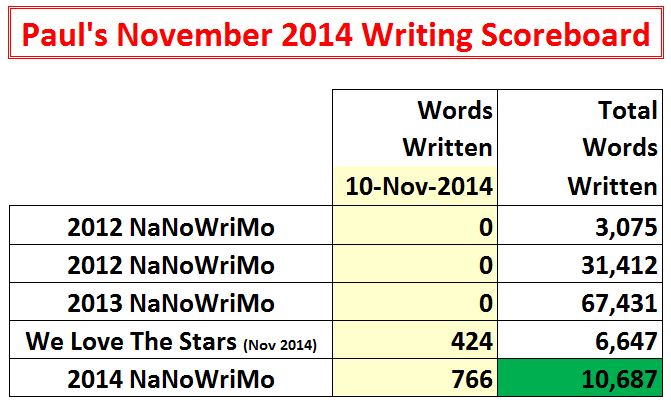
After the first dozen times I find myself nodding off at the keyboard and not knowing if I’ve been out for two seconds or twenty minutes, it’s time to wrap. 527 words today is better than zero words today.

While I normally put in a lot of  internal links to previous, related posts here, I won’t be doing that for what I hope will be this year’s thirty NaNoWriMo posts. If you have jumped into or stumbled onto this story in mid-adventure, there are plenty of other ways to navigate around the site to find previous installments. Actually doing so is left as an exercise to the student.

2014-11-11 Word Count Graphic

CHAPTER SIX (continued)

As the data started to flow back from the orbiter, filling many of the ship’s video screens with close-ups and vistas of an entirely new world, the mood onboard the Cronus was good. It had been a busy two weeks getting the Titan probes modified, checked out, and launched. Everyone was riding an emotional high as all three Titan probes were operating successfully.

Most of the science crew was going into overdrive now that they were being flooded with raw data. It was one thing to be getting remote readings from varying distances across the Saturn system, it was another to be drowning in a tidal wave of chemical analyses, weather data, pictures, and videos.

The crewmembers who were the primary communications specialists were also losing sleep, making sure that as much of the data as possible was being sent down to the big AIs and researchers at Goddard and O’Neill. Bradbury also got a subset of the data since they were dealing with their own practical issues associated with very cold planetary surfaces with very toxic atmospheres.

Engineering crews were hard at work, both at finishing the Iapetus orbiter and lander and at figuring out how to bootstrap the job of making modified van Neumann machines to explore, mine, and build once they had reached the volatile-rich inner moons. Maintenance was stuck with the utterly boring and routine tasks of making sure that the air was breathable, the water potable, the hydroponics growing, and the toilets functional.

No one on Cronus was less than one of the tops in their field, and by the very nature of life within a small crew in a hostile environment, all were enough of a jack-of-all-trades to help out wherever they could. Back in LEO there could be average ironworkers or chemical engineers holding down a job for a paycheck. Out on the edge of human exploration, being “average” meant being dead, and probably taking a load of crewmates along with you.

Alsby was mindful of the stress that she and their new mission were putting on everyone. When the Titan probes were down, the data handling routine set, and the Iapetus probe preparations well ahead of schedule, she declared a general holiday for three days. A holiday schedule was set up which put everyone on duty for just an hour or two each day, in order to deal with any problems, The rest of the time was to be spent relaxing.

With Cronus still orbiting fairly far out from Saturn, Miller and Doctor Anderson looked at the radiation and cosmic ray background measurements before agreeing to allow brief excursions by everyone out to the exterior observation area.

Most of Cronus’ crew had come from the Earth-Moon area. They knew from their experiences there how truly stunning the Earth could be from a low orbit, a blue and white water planet with occasional stretches of forest and desert.

But no one had ever seen Saturn like this with their own eyes. Video images were fine, and anyone could pull the current view up at any time, but everything paled compared to the real thing right in front of your face.

Leave a comment

Filed under Astronomy, Science Fiction, Space, Writing

NaNoWriMo 2014, Day Ten

As an example of things that will need to be tinkered with and “made better” in the next draft, the part yesterday where the four commanders are voting on the proposal for independence is not quite there. On the one hand, I want the repetitive, formal, “I agree,” “I agree,” “I agree,” “I agree” cadence, and I want to identify them by their full names and rank. That’s because I want to emphasize the solemnity and gravity (pun intended) of the moment. But it’s still a bit too wooden, needs a bit more to break it up.

Something to address in the next draft. Note made. (You don’t see them, but as I cruise along I’m constantly adding notes and comments into the MS Word file, so that I don’t forget them later.)

While I normally put in a lot of  internal links to previous, related posts here, I won’t be doing that for what I hope will be this year’s thirty NaNoWriMo posts. If you have jumped into or stumbled onto this story in mid-adventure, there are plenty of other ways to navigate around the site to find previous installments. Actually doing so is left as an exercise to the student.

2014-11-10 Word Count Graphic

CHAPTER SIX

Coming in fast toward the thick, orange, and cold hydrocarbon soup that obscured the surface of Titan, the spacecraft’s primary computer listened to the radar, watched as the moon grew in front of it, and monitored all of the systems on its three subsections. The computer wasn’t a full AI, not being self-aware, but it was fast, redundant, and fully capable of carrying out the instructions that its AI mentor had taught it.

It was not a small spacecraft in absolute terms, over three thousand kilograms. Compared to the Cronus, which had launched it ten days earlier, it was a flyspeck. Much of its mass was in fuel, an extremely precious commodity out here a very long way from the nearest service station. The plan was for that fuel to allow the spacecraft to function for many years.

The spacecraft’s main computer checked one last time with the smaller computers on the lander and the floater. It verified one last time that its position was correct, and kept feeding the updated position data to the two subunits. The minutes counted down to seconds and milliseconds.

Right on the mark latches released, springs released their energy, and the two smaller spacecraft flew away from the orbiter. The orbiter took the pictures it had been assigned to take and reported the successful release back to the anxious science team on the Cronus, before reorienting and firing its thrusters for twenty-three seconds. The small nudge moved the orbiter off of its collision course with Titan and onto a path that would just barely miss the top of the atmosphere. With a series of additional engine burns to follow, it would pull into an orbit high over Titan, where it would spend the next decade or more studying and photographing the moon below while also serving as a signal relay station for the two spacecraft on the surface.

The two smaller units waited until the orbiter was well out their way before using a second set of clamp releases and springs to separate from each other. They drifted apart as planned, each lining up for their separate arrivals on Titan.

Following a fiery trip through the thick atmosphere, now separated by over a thousand kilometers, the two probes jettisoned their heat shields and drifted down under large parachutes, collecting data and photos all the way.

The lander scanned the surface below it, looking for a reasonably smooth place to set down. It was landing within the targeted zone away from the lakes and larger hills, but still could be damaged by landing in a field of ice boulders. Picking a landing spot, the lander flew the parachute toward it.

Twenty kilometers above the surface, the lander began to expand and unpack itself. Surrounding the core unit which housed the computer, power supply, radio, antenna, and scientific instruments, a lattice of stiff rods popped open, grew, and stiffened. When finished, the lander looked like a ragged sphere nearly five meters across with a massive core at the center. It looked like nothing so much as a gigantic tumbleweed.

One kilometer up, the lander cut loose from the now useless parachute and fell lightly toward the surface. It landed in a puff of frozen hydrocarbon dust while the parachute drifted off downwind. Breaking lightly through the icy, organic crust but only sinking in a few centimeters, the lander was down safely.

The floater followed a similar route, but instead growing into a large tumbleweed, it expanded a flexible outer shell into a smaller and more solid beach ball shaped form. Sensors on the outside watched to make sure that the probe was coming down into one of the large methane lakes and guided it accordingly. Being careful to watch for floating floes of water ice, frozen hard as diamond, the parachute stayed with the floater until it was only a meter above the surface. Plopping into the frothy, supercold liquid, the floater acquired a high-speed data link with the orbiter and began sending back its findings.

The orbiter would have been pleased had it been an AI, but instead it simply followed its pre-programmed instructions. Atmospheric data and pictures of Titan were taken constantly and the low-gain data links to the lander and the floater were recorded. When the landings were successful and the trickle of data from the surface turned into a flood, the orbiter began recording it all while also sending the data out through its two enormous dish antenna, the first aimed toward Cronus and SaSEM and the second aimed toward Ceres.

The aggressive exploration of Titan had begun.

Leave a comment

Filed under Astronomy, Science Fiction, Space, Writing

Celebrate! ‘Cause, Why Not?

Hey, as we speak, the Expedition 40/41 crew is headed down from the International Space Station!

In less than 72 hours, on Tuesday, November 12th, the Philea lander will separate from the Rosetta spacecraft and land on a comet, a first for humankind! (And you’ll be able to watch it online here, and also [I believe] on NASA-TV.) It should be amazing!

On November 18th and 19th, I’ll be at a NASA Social at the NASA Armstrong Flight Research Center! You can catch all of my pictures, comments, and articles here and on Twitter. (Also Facebook, but relatively few of you reading this connect to me there. But if you do, HI!)

On November 23rd, the Expedition 42/43 crew will be headed up to bring the ISS crew back to six!

On December 4th, NASA’s new Orion spacecraft will be making its first uncrewed test flight! (No word yet on whether or not I got picked for the NASA Social at JPL for that – fingers crossed!)

So we’re finishing the year strong, despite a couple of recent problems. Time to celebrate!

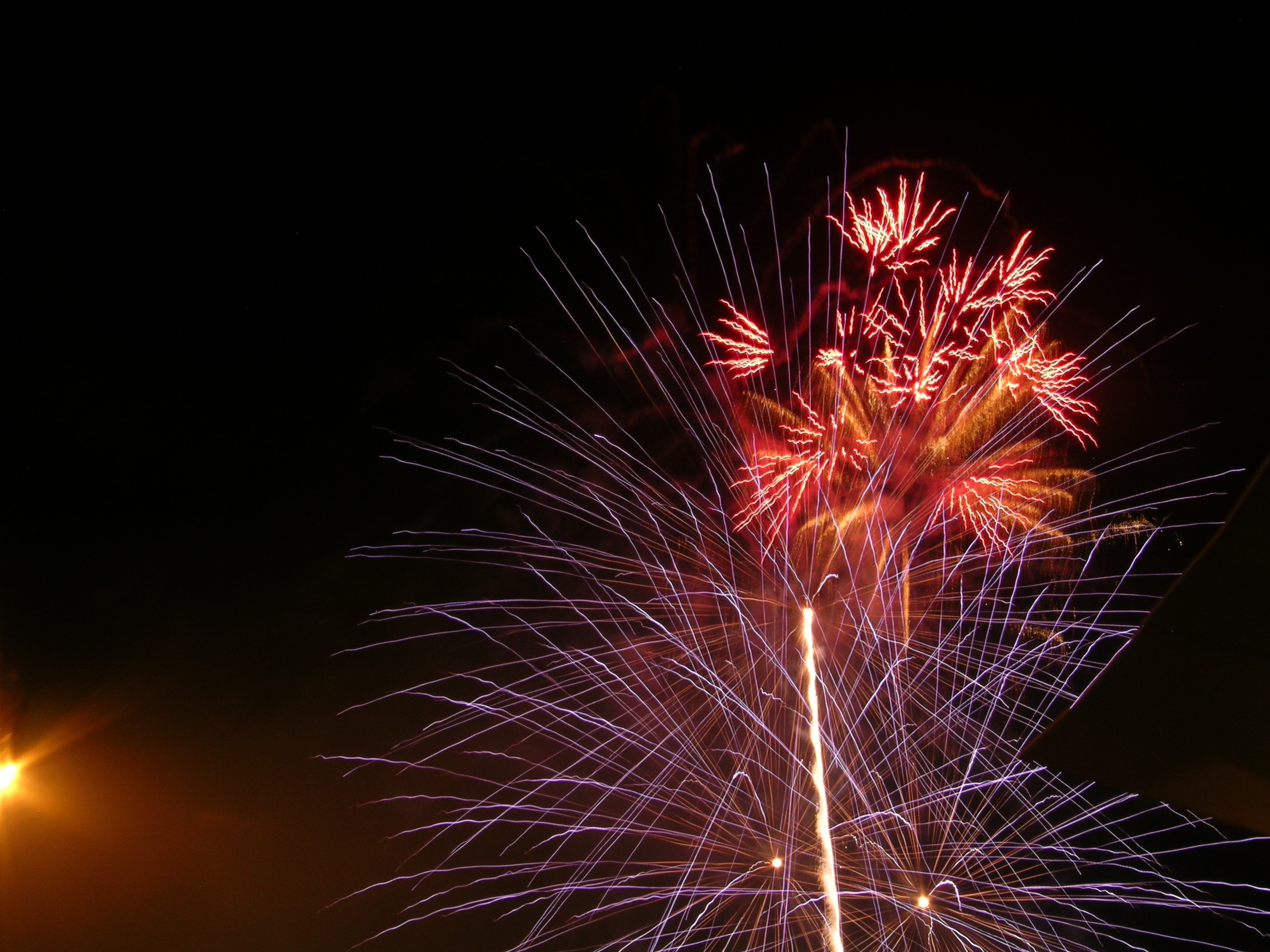
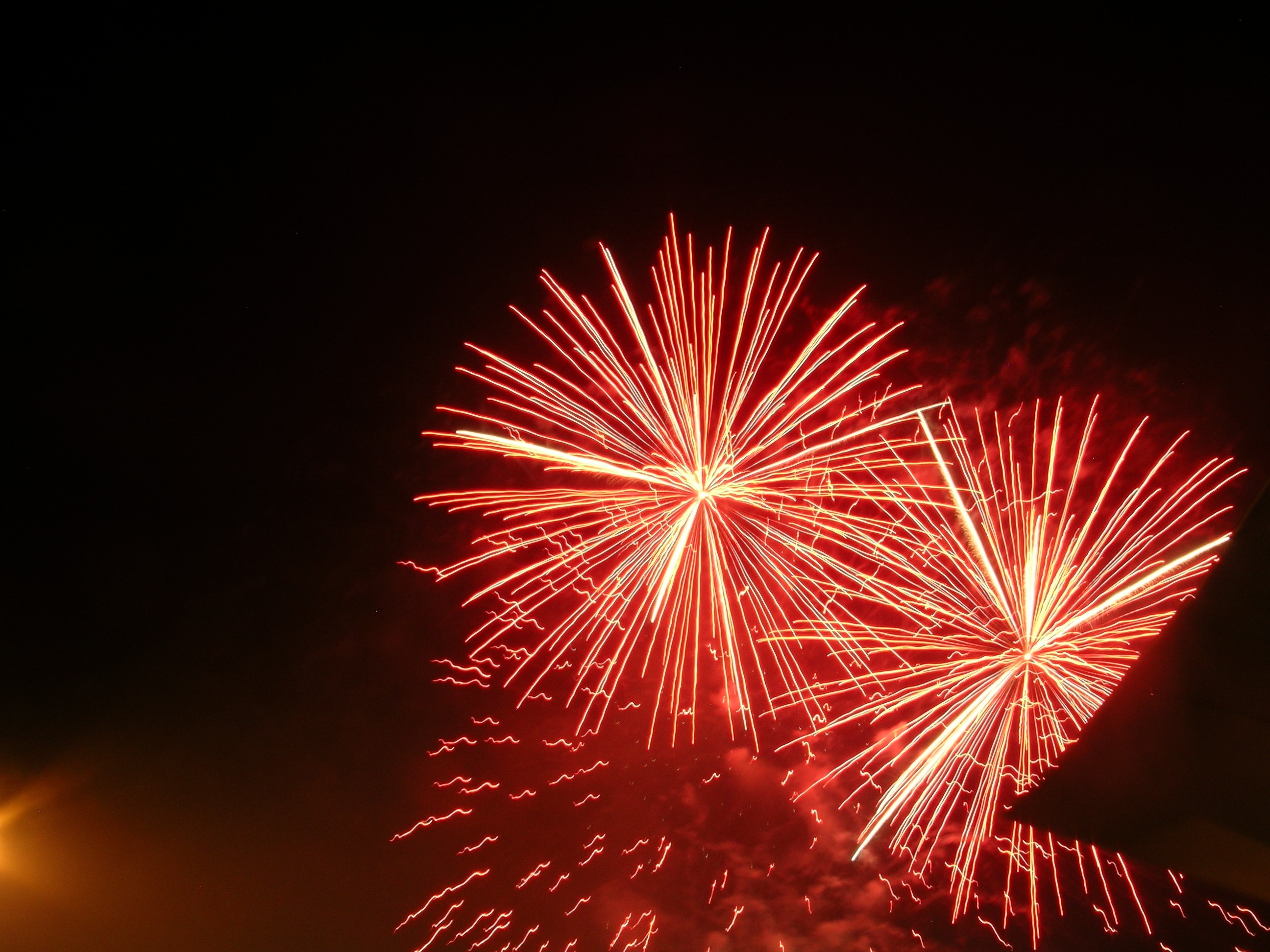
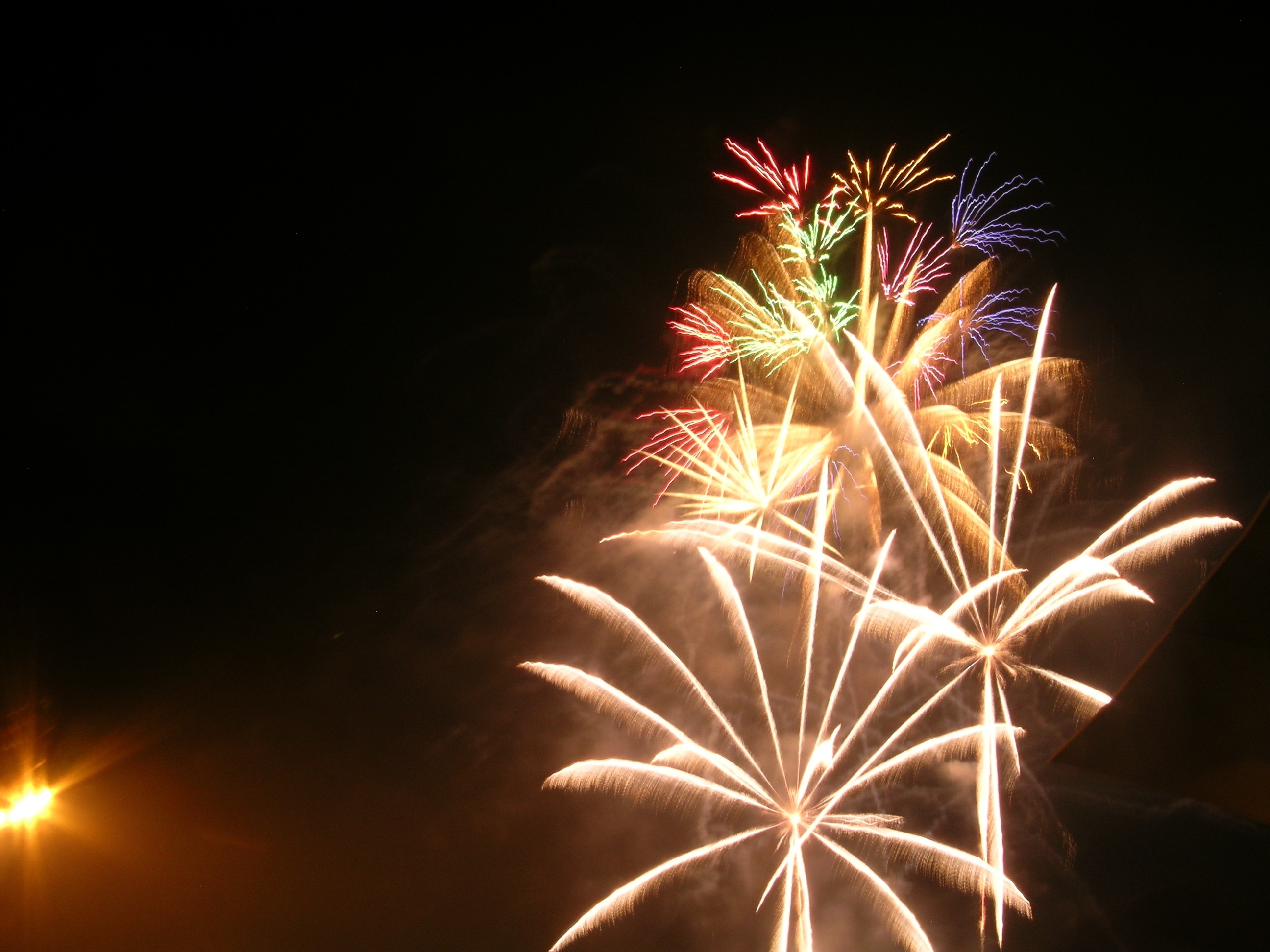
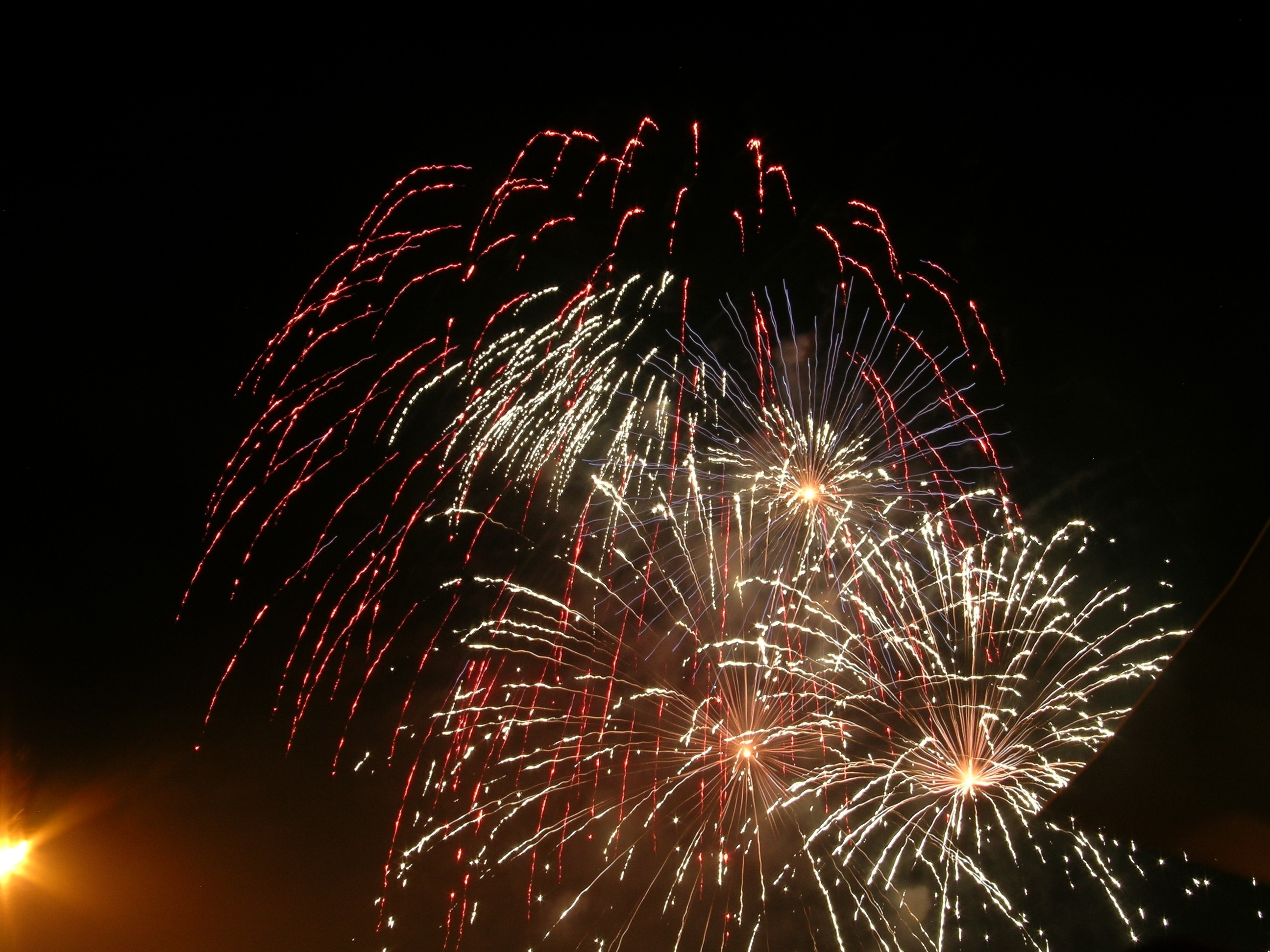
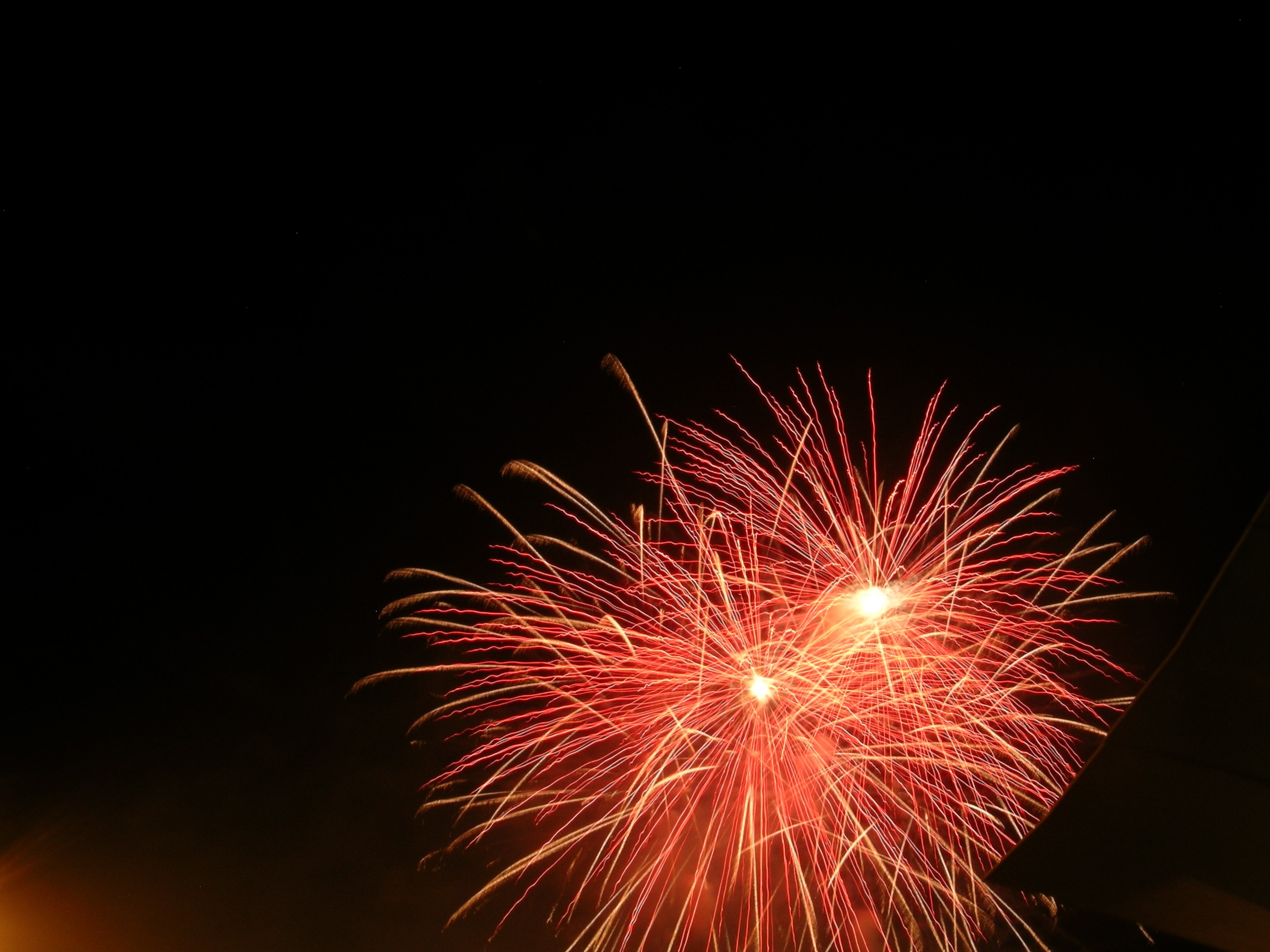
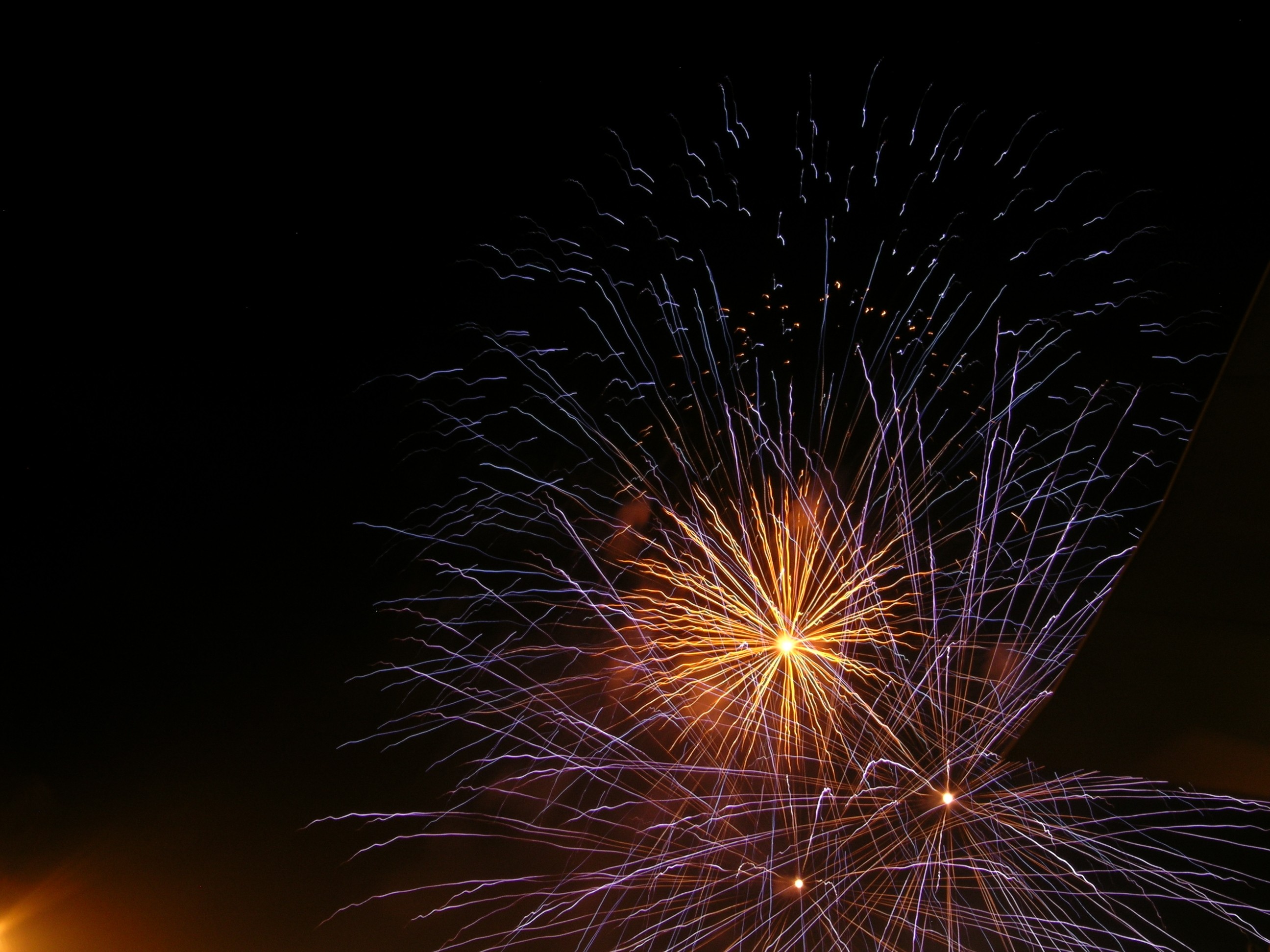
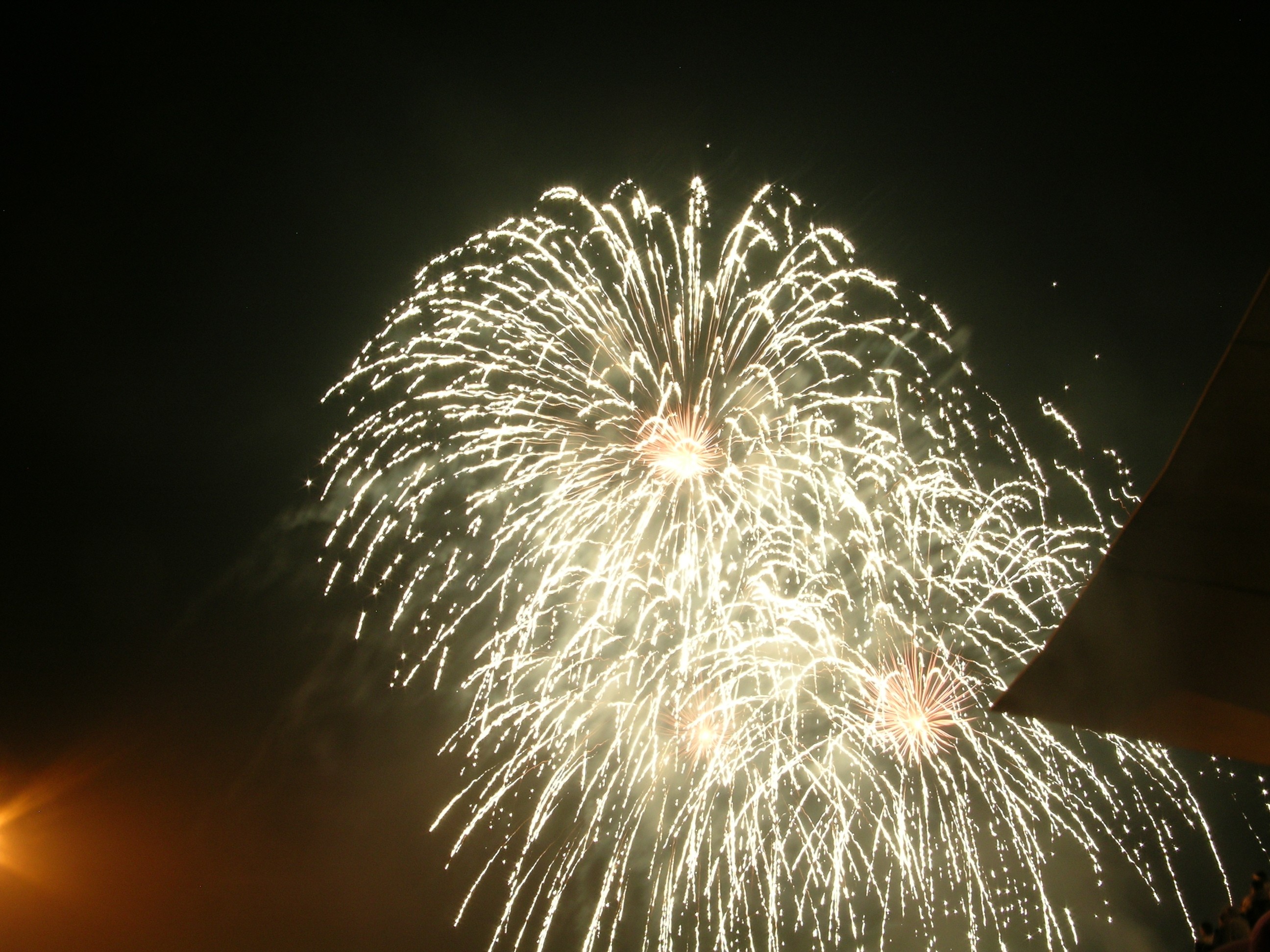
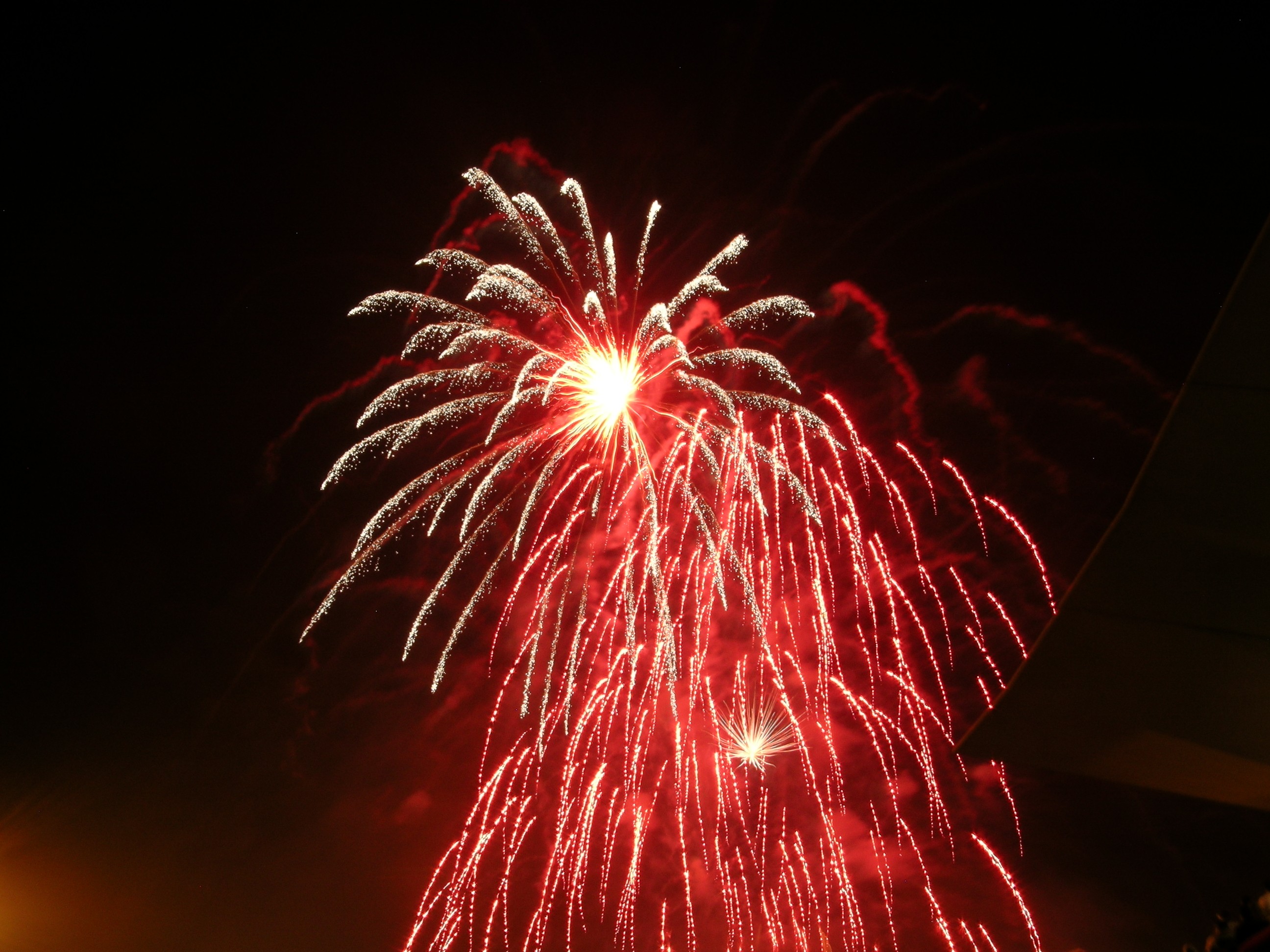
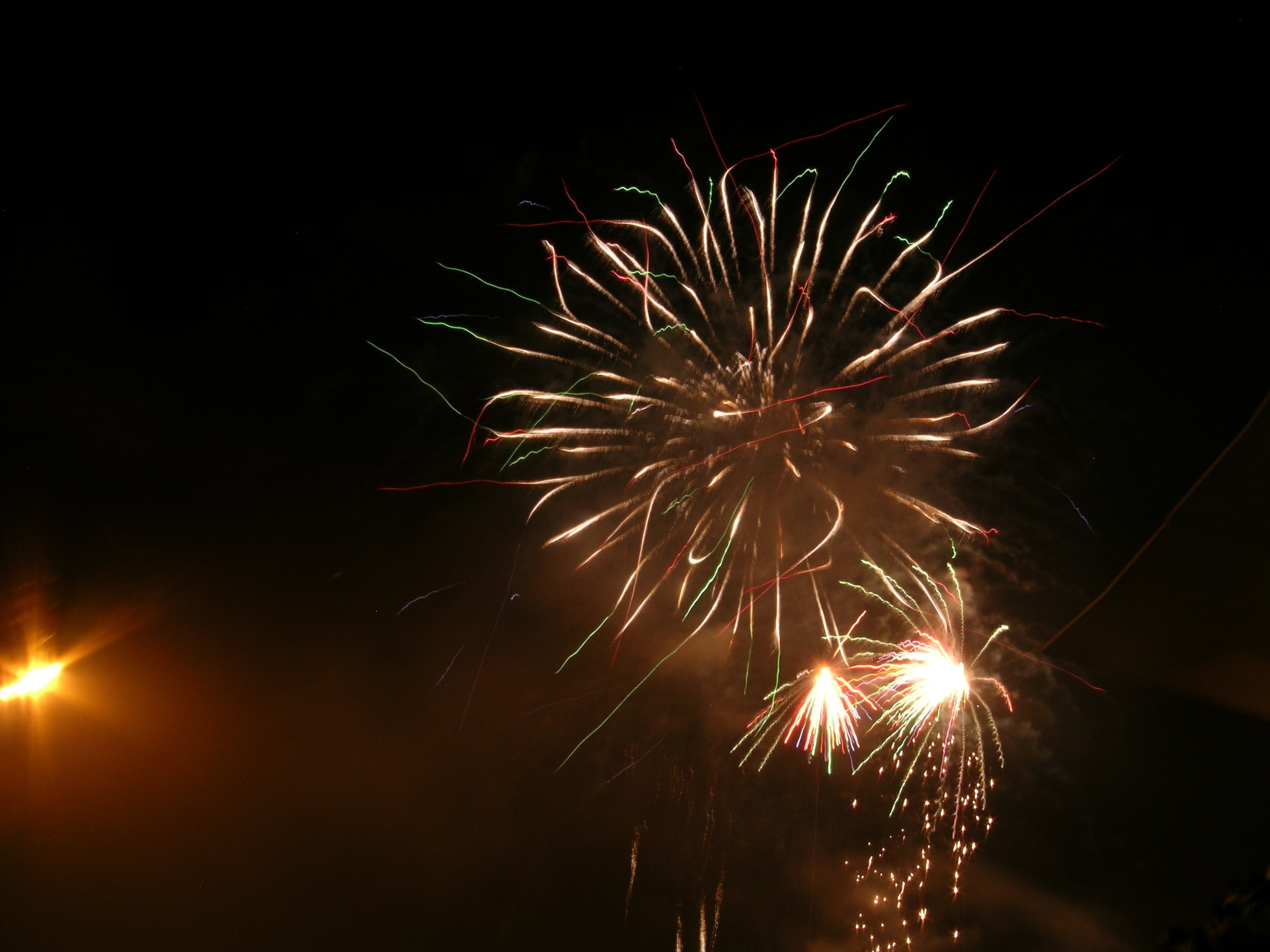
How about some basic rocketry that goes back over 900 years?

DSCN4285 small

DSCN4288 small

DSCN4292 small

DSCN4295 small

DSCN4304 small

DSCN4316 small

DSCN4325 small

DSCN4328 small

DSCN4276 small

DSCN4282 small


Leave a comment

Filed under Astronomy, Fireworks, Photography, Space

Juicy Chunks O’ Wisdom For Thursday, November 6th

‘Cause there’s no Flash Fiction this week, ’cause we’re supposed to be working on our NaNoWriMo, that’s why.

  • If there truly is a kind, beneficent, loving God, how can you explain Adam Sandler movies?
  • Once again, I’m a pint down today. (Donate blood, save a life!) However, after only getting a bit over four hours’ sleep last night, and then having yet another long, frantic day, by the time 3:30 rolls around and they’ve got me lying down on a comfy chair… You would be amazed at how you can freak out the blood bank personnel by repeatedly falling asleep while donating blood.
  • Seriously, I was doing something else on the video setup in the living room, the television turned on to a commercial which I ignored, then the show coming out of commercial was “The Benchwarmers.” Okay, Adam Sandler was only a producer on this one, but the stupid was so deep that I had to use one arm to keep the other one from gouging out my eyes. This movie’s one step below “Honey Boo-boo” on the stupid scale, and until today I didn’t know there were any steps lower than “Honey Boo-boo!”
  • Oh. My. God! If you haven’t seen it yet, go look at this image from the ALMA radio telescope. Not a computer simulation, not an artist’s rendering, an actual picture of planets forming around a star 450 light-years away. Taken by a huge, new radio telescope array (ALMA) it shows a level of detail that is mind boggling.
  • And “The Benchwarmers” gets a score of 5.6 from IMDB members?! That’s out of 1,000,000,000,000,000, right?
  • Somewhat closer to home, remember that on Wednesday, November 12th, the Philae lander from the ESA’s Rosetta mission will attempt to make our first landing on a comet. The landing is scheduled to start at 08:35 UT (03:35 EST and 00:35 PST) with the landing at 16:03 UT (11:03 EST and 08:03 PST). If you haven’t seen any of the pictures of the comet itself, taken over the last few weeks from just a few hundred kilometers away, you have GOT to browse here.
  • This particular channel was following up “The Benchwarmers” with “Click,” which IS an Adam Sandler movie. I didn’t dare to wait around to see what was coming up after that. “Little Nicky?” “You Don’t Mess With The Zohan?” “Big Daddy?” “Grown Ups” (either one)?
  • A lot closer to home, this picture was taken last week by a Chinese spacecraft. It’s a completely new view of the Moon and Earth together from a long way away. If this doesn’t make you stop and go “WOW!” then maybe we can’t be friends.
  • I know Halloween’s past and it’s too late for this kind of horror, but here’s a contender for the most frightening phrase in the human language — “Adam Sandler returns in Jack & Jill 2!”
  • Just came thiiiiis close to falling asleep on my desk after hitting “Save Draft” when I though I had hit “Publish.” That would have been stupid.

Remember, “Two wrongs do not make a right – but three lefts do!”

2 Comments

Filed under Astronomy, Juicy Chunks, Movies, Space

Daylight Saving Time Is HELL

Have I mentioned yet that I really dislike switching our clocks back and forth an hour in the spring and fall for Daylight Saving Time? A search of the website so far shows that I haven’t, so apologies if the search engine sucks and you’ve heard this story before, but I really dislike switching our clocks back and forth an hour in the spring and fall for Daylight Saving Time!

I understand the thinking. I understand what the goal is. As the days get shorter in the winter, “we” prefer to have more daylight hours in the morning, even if it means an “earlier” sunset. As the days get longer in the summer, rather than having daylight hours “wasted” in the time prior to most folks being awake, “we” shift the clock so that most of us still wake up close to sunrise, leaving more hours of daylight in the evening for the majority of the population to enjoy.

Got it.

Here’s what’s wrong in my opinion — it’s mandatory imposition of jet lag on the entire country. (Well, except for Arizona, and half of Indiana?) Furthermore, while most of us can deal psychologically with the effects of jet lag because we’re aware that we moved a significant distance around the planet, with DST it just suddenly happens. You wake up one morning and you’re still right where you were when you went to bed, but the whole freakin’ planet has shifted.

Then there’s the way pets handle it, i.e., by not even knowing that it exists. So when the sun gets to there, they want to be fed. Or walked. Or in bed. Doing those things an hour earlier in the spring is confusing. Doing them an hour later in the fall just pisses them off and makes them whine at you and wonder why you don’t get it! It’s dinner time! See, the sun’s there, same place that it was yesterday at dinner time! I don’t care what the glowing, blue marks on the cable box say! I’m color blind to begin with, and I’M A DOG! It’s dinner time!

Of course, there are reports all over the place (google it) that argue that the switch to and from DST actually has real financial and social costs in the real world. Workers are sleepier, have more trouble concentrating, and their productivity is down. In addition, with one of the normal commutes now being in darkness when it was in the light on Friday, traffic is heavier, more time and money and gas are wasted and pollution generated due to that, and the number of car accidents go up.

Face it, the sun and the Earth’s orbit really don’t give a rat’s ass about us, or our rules. We’re a fungus, an infestation on the surface of a dust mote in a back corner of a pretty ordinary galaxy. The days will be short, then they’ll get to evenly split between night and day, then they’ll get long, then back to split, back to short, back to split… The exact details depend on where you are on the planet — a pole, the equator, or somewhere in between.

Our arbitrary assignment of numbers and order to that cycle is our psychosis, not the universe’s. So why not just set the numbers and the system, accept the cycle and plan accordingly? Some times of the year it will be dark in the morning when we get up and sometimes it won’t. Some times of the year it will be light in the evening when we’re having dinner and sometimes it won’t.

Why do we have to confuse the hell out of everyone in order to “cheat” the system a bit, when we’re really not changing anything at all?

At this point, the only thing that DST is good for is reminding us when to change the batteries in our smoke alarms. Surely there can be a better way to accomplish that than DST. Right?

5 Comments

Filed under Astronomy, Freakin' Idiots!

Halloween 2014

You may recall that our current tradition on Halloween, other than handing out candy and trying not to eat more than we hand out, is to bring our telescopes out into the front yard. It’s great to let the little kids look at the moon, Saturn, or Jupiter through a telescope, usually for the first time. And the adults are often more excited than the kids. As for the teenagers — contrary to stereotypes and expectations, some of the folks most excited and wanting to talk about what they saw were high school kids. This is a good thing.

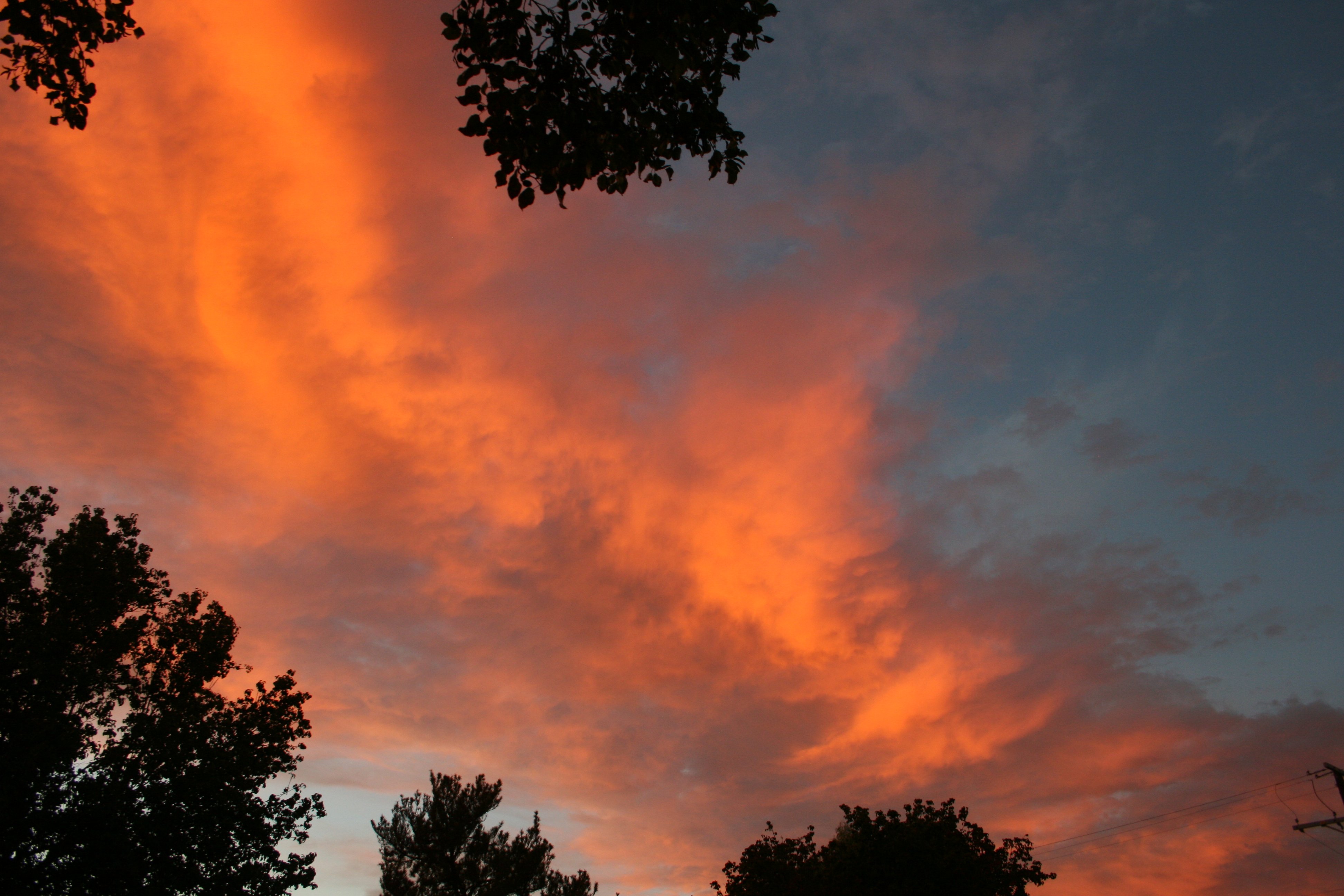
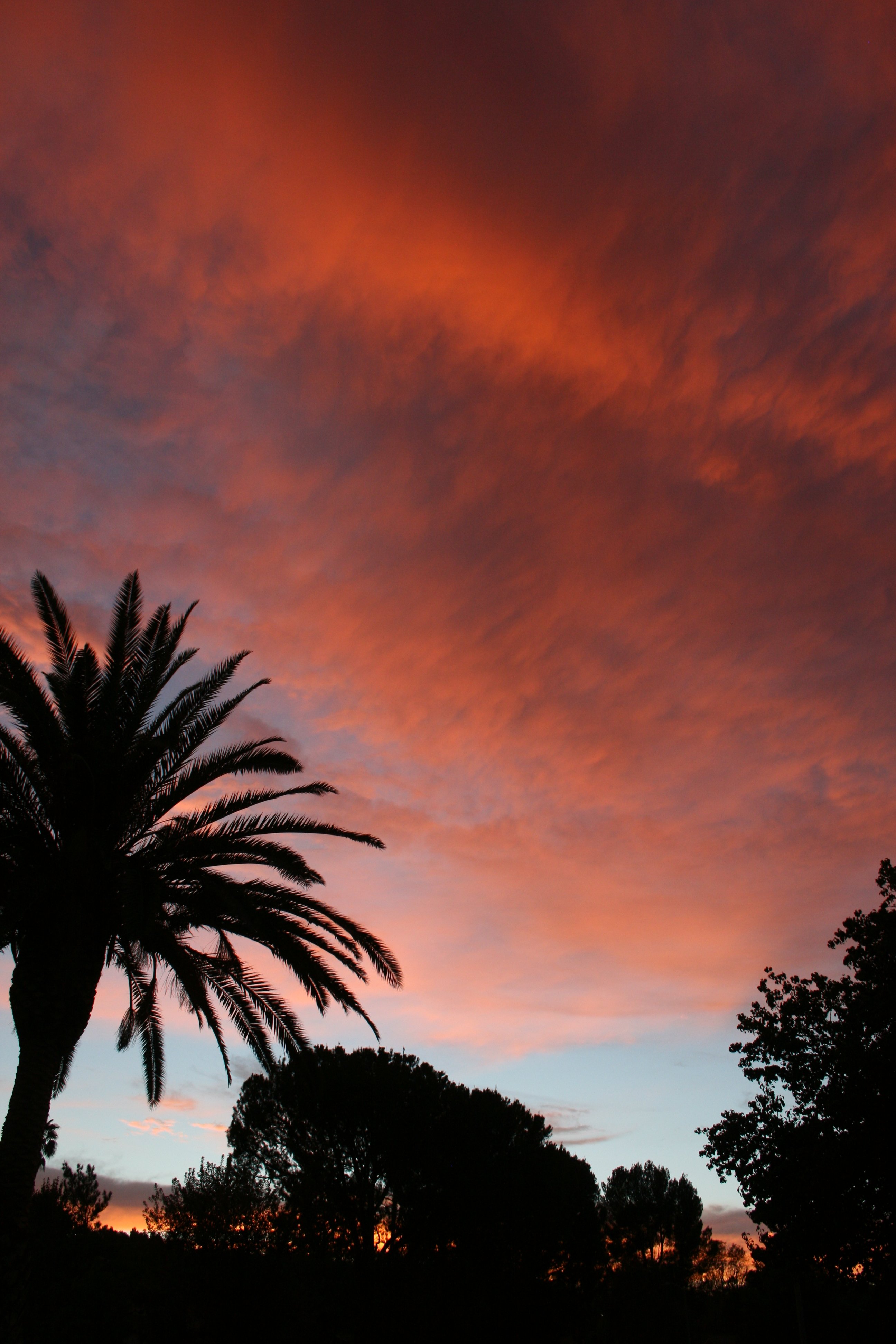
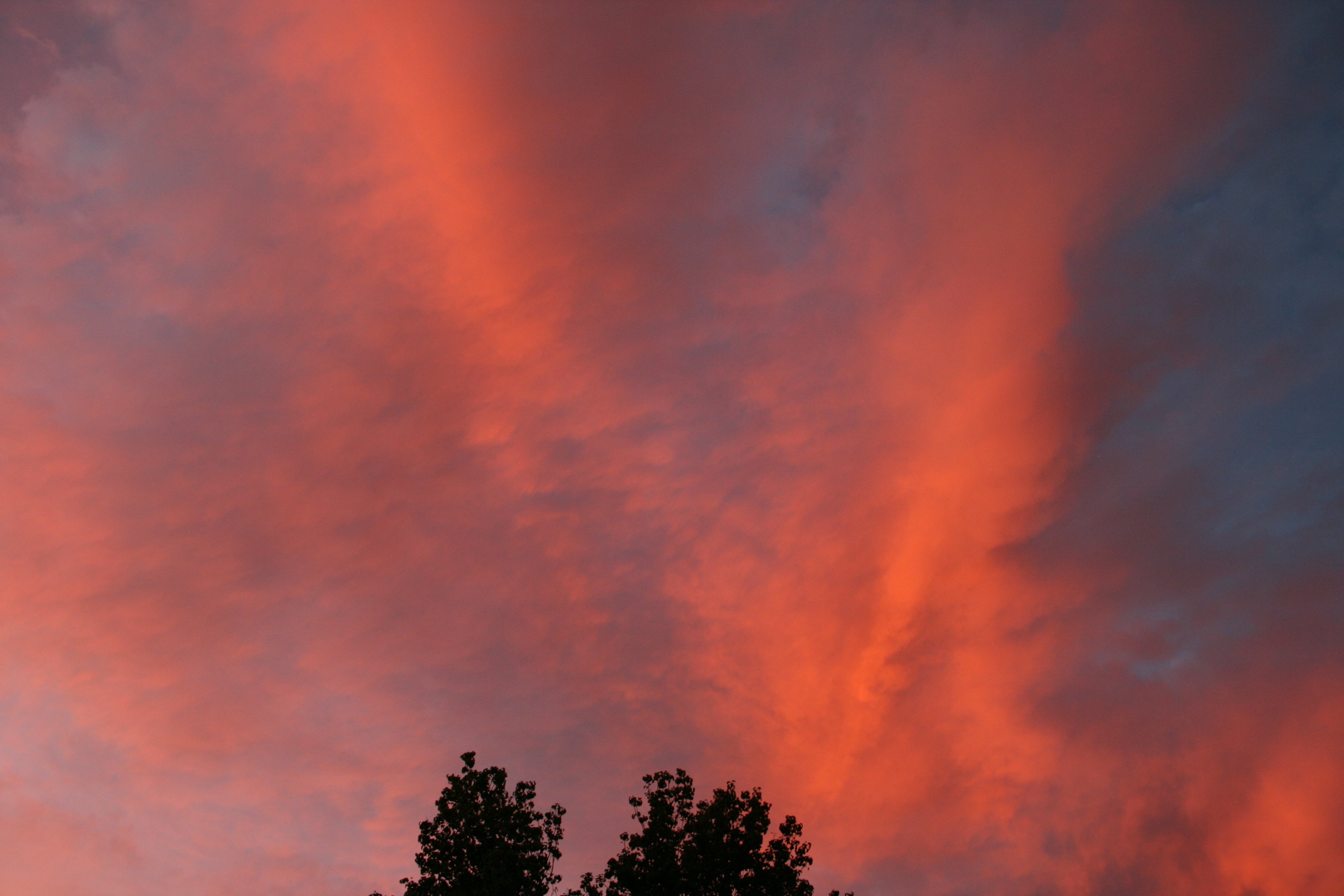
The good news was that yesterday evening, the 30th, thanks to an incoming weather front, we had a spectacular sunset here in Los Angeles.

IMG_2392 small

IMG_2393 small

IMG_2396 small

IMG_2399 small

IMG_2401 small

IMG_2408 small

IMG_2413 small

IMG_2416 small

The bad news is that an approaching front yesterday meant that today, the skies looked like this at sunset:

IMG_2429 small

The two telescopes, the big binoculars, the little binoculars, and the cameras were all ready to go, but after weeks and weeks of “clear and a million” about nineteen days out of every twenty, tonight’s the night that we couldn’t even see the moon except for an occasional fuzzy glowing spot peeking through a thin spot in the overcast.

It was gratifying to note the number of people, a dozen at least, who said, “Where are the telescopes?” or “Isn’t this where you always have the telescopes?” (Yeah, one person said, “Isn’t this the place that has tons of Christmas lights?” Yep, we’re that place too.) For those who are local, the best we could do was to let them know that Halloween isn’t the only night we have the telescopes out and they’re more than welcome to stop by if they see us out there with them.

Finally, the silver lining to all of this is falling right now in the form of liquid, our first measurable rain in at least nine or ten months here. They say we’re only going to get 0.10″ to 0.33″ but the way it’s pouring now, we’ll get more if it keeps up for any length of time. It’s just a tiny dent in the humongous rainfall deficit California has over the past three years, but you’ve got to start somewhere. As they say, it’s better than a poke in the eye with a sharp stick.

Leave a comment

Filed under Astronomy, Photography, Weather

Partial Solar Eclipse Of October 23rd

(Note, I know today’s normally “Flash Fiction Thursday.” If I can get something written quickly tomorrow, I’ll try to get it posted by the 1200EDT/0900PDT “deadline.” If not, I’ll post it tomorrow after the “deadline,” because the Flash Fiction structure is sort of like Drew Carey’s “Whose Line Is It Anyway,” where “everything’s made up and the points don’t matter.”)

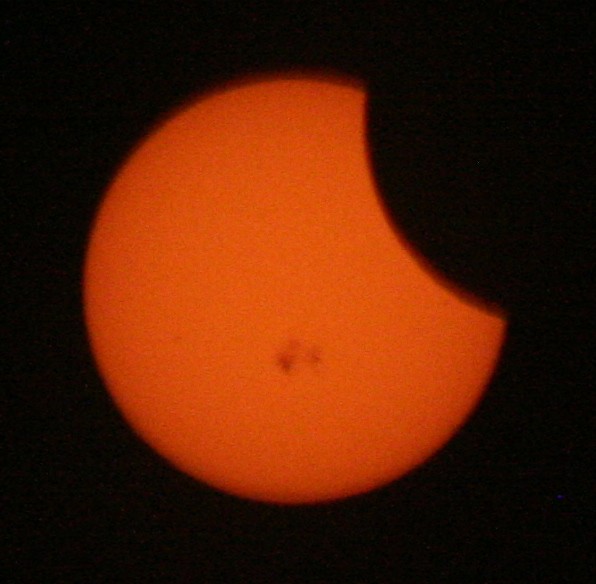
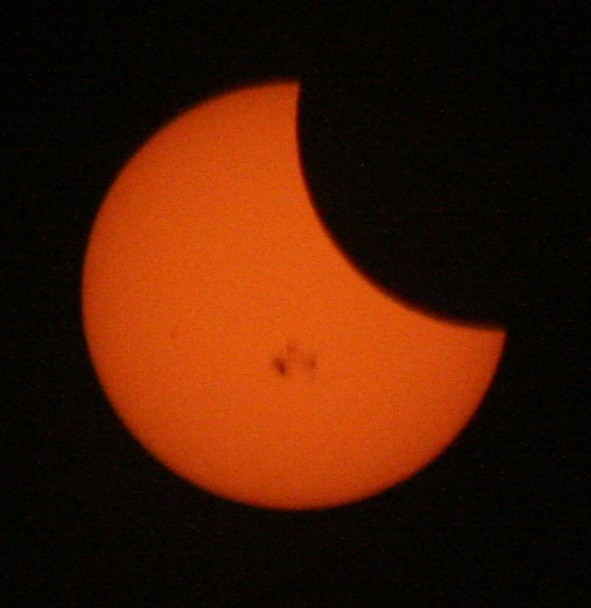
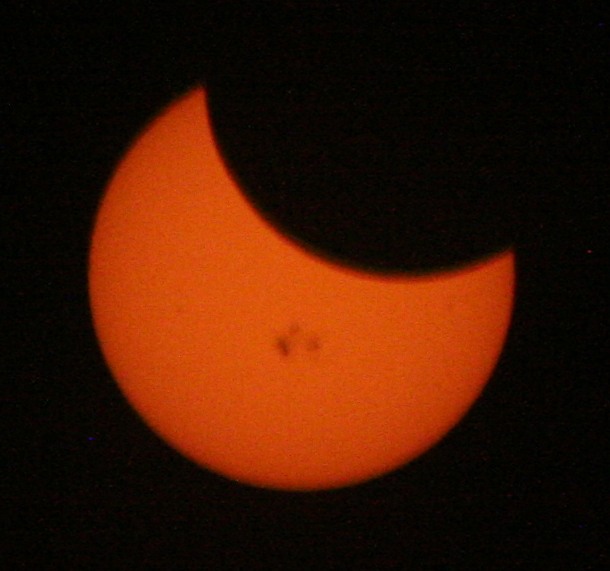
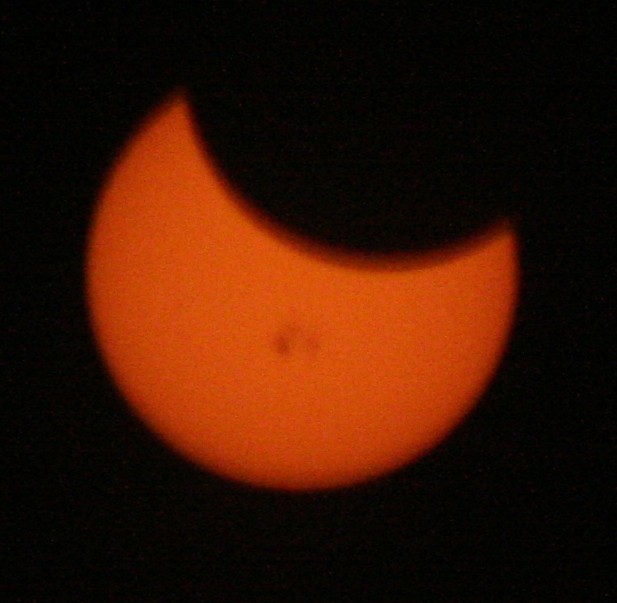
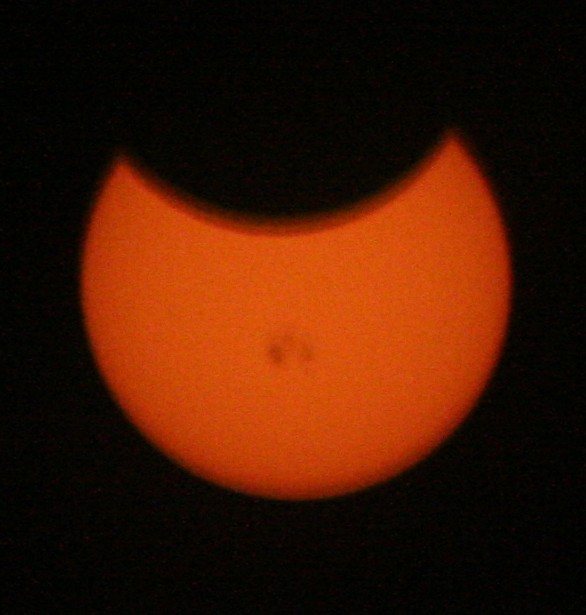
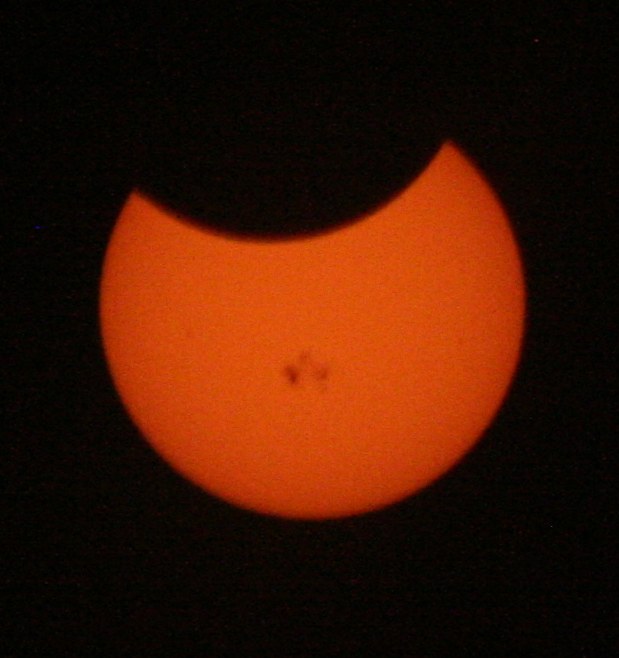
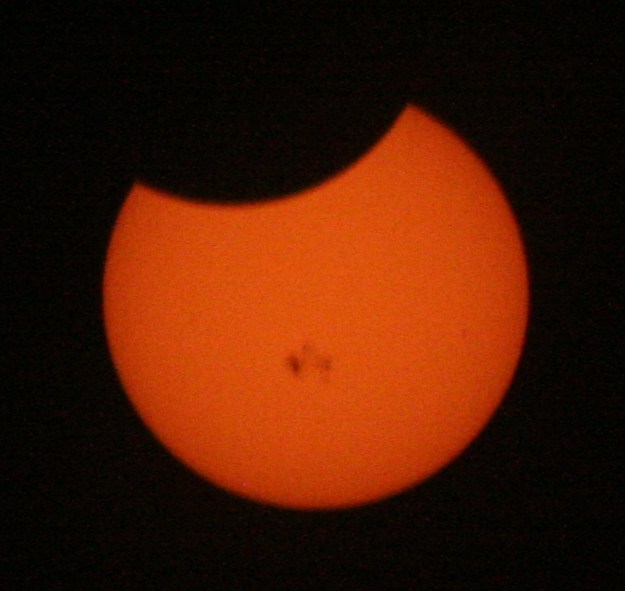
As predicted, celestial mechanics carried our planet, our moon, and our primary star into alignment today. As advertised, I was there with a camera rig cobbled together with duct tape and baling wire. If it was good enough for the moon fifteen days ago, it’s good enough for the sun.

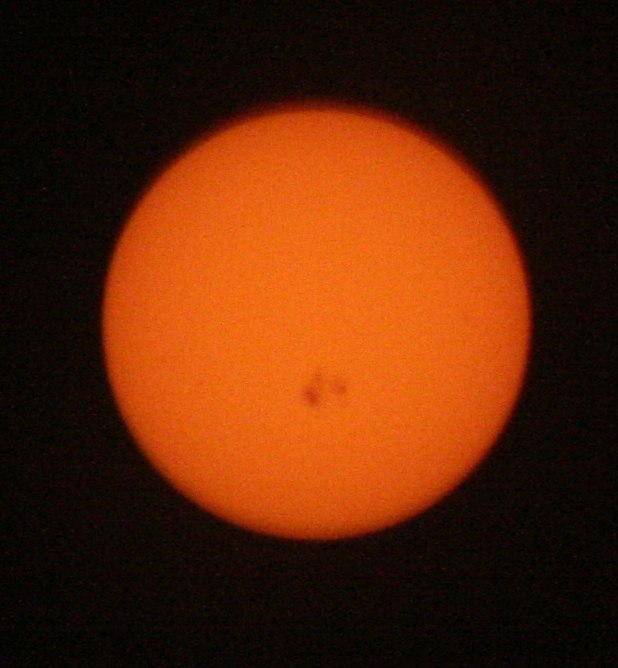
IMG_9573 1410PDT cropped

14:10 PDT, two minutes before the start of the eclipse. As you can see, my fooling around with the $2 solar film card duct taped in front of the lens didn’t improve the resolution a ton, but maybe a bit from yesterday. The huge sunspot is clearly visible even with this simple rig.

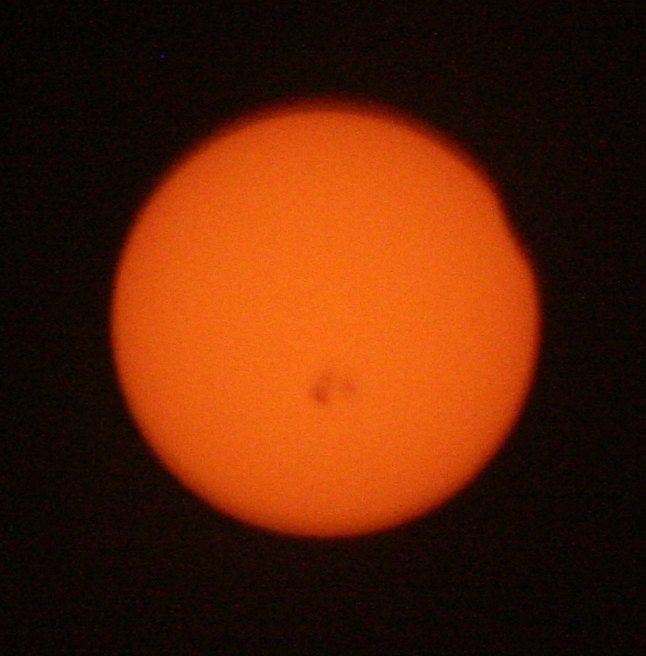
IMG_9583 1413PDT cropped

14:12 PDT, first contact.

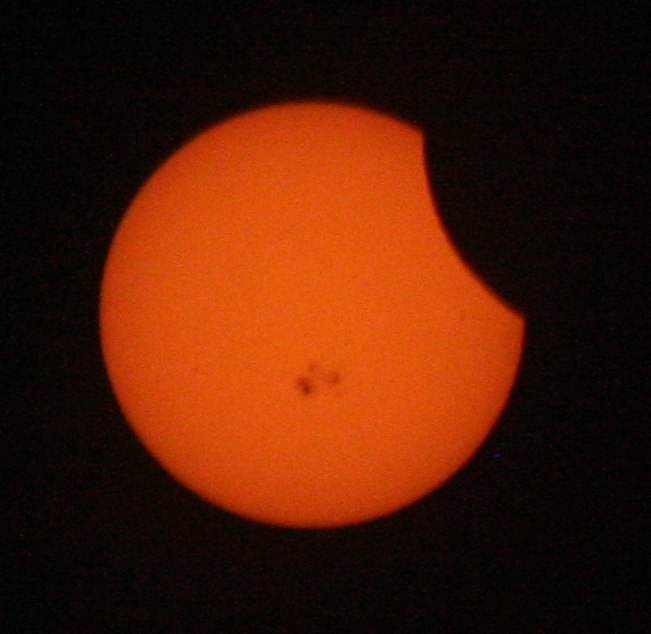
IMG_9591 1428PDT cropped

14:28 PDT. I was at the CAF hanger trying to get some work finished up, and running out to the car every fifteen minutes or so to pull the tripod and camera out of the car, line it up, take a quick set of pictures, put it all away, and then running back in to get some more work done. In other words, a normal day.

IMG_9599 1440PDT cropped

14:40 PDT. Even shooting thorough a sheet of silvered mylar, most of these pictures are taken at 1/2000 second. The sun is really freakin’ bright! (Thank you, Captain Obvious!)

IMG_9611 1500PDT cropped

15:00 PDT, as I was packing up to leave the CAF and head to another meeting.

IMG_9619 1526PDT cropped

15:26 PDT, maximum coverage as seen here in Southern California. I was only halfway to that next meeting, but pulled off the freeway, found the first parking lot I could, and set up again with about a minute to spare before shooting this.

IMG_9644 1533PDT cropped

15:33 PDT, still in some random parking lot off of the 101 Freeway. Time to get moving again, they’re starting to look at me funny from the windows of the office building where I pulled in. In other words, a normal day.

IMG_9656 1558PDT cropped

15:58, in the parking lot outside of where my meeting is.

IMG_9668 1604PDT cropped

16:04 PDT, what I figured would be my last pictures of the day due to that 16:00 meeting.

IMG_9678 1615PDT cropped

16:15 PDT, people at my meeting wanted to see too, so it’s quickly back to out to the parking lot, set up the rig, let others take a look, shoot off a last set of pictures, tear down and stow the rig in the car, and back to the meeting.

The eclipse would last for another twenty-four minutes from this point, but that was it for me. I hope you got to see it (SAFELY!) wherever you were at, or at least got a chance to watch the feed from Griffith Observatory that NASA-TV was showing.

If you got pictures, feel free to share them in the comments!

3 Comments

Filed under Astronomy, CAF, Photography, Space

Huge Sunspot Posing For Tomorrow’s Partial Solar Eclipse

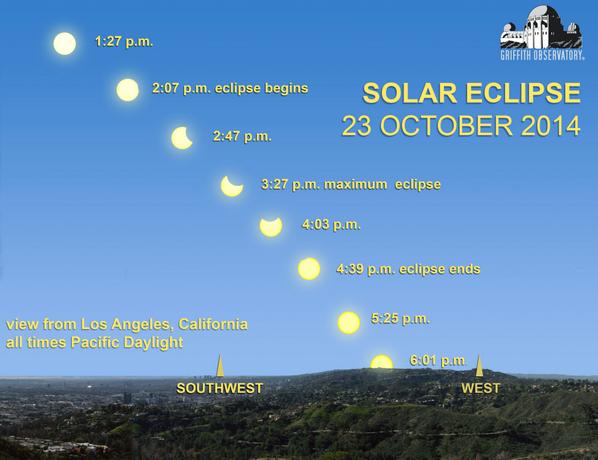
You may have heard (like here where I ranted about it last week) that there’s a partial solar eclipse tomorrow afternoon. As always, BE SAFE WHEN LOOKING AT THE SUN, but beyond that, the short version is that the further north and west you are in North America, the more of the sun you’ll see covered. There’s an excellent map here that shows coverage for tomorrow. If you’re in the Los Angeles area, here’s a great graphic from Griffith Observatory showing what to expect and the times:

B0jVgMnCcAECNnX

(Graphic credit: Griffith Observatory)

To make it even better, as we speak there’s a honkin’ HUGE spotspot facing us. It’s shooting off some major flares so there are some great aurora at night if you’re in Canada, Scandanavia, Russia, or even the northern tier of US states.

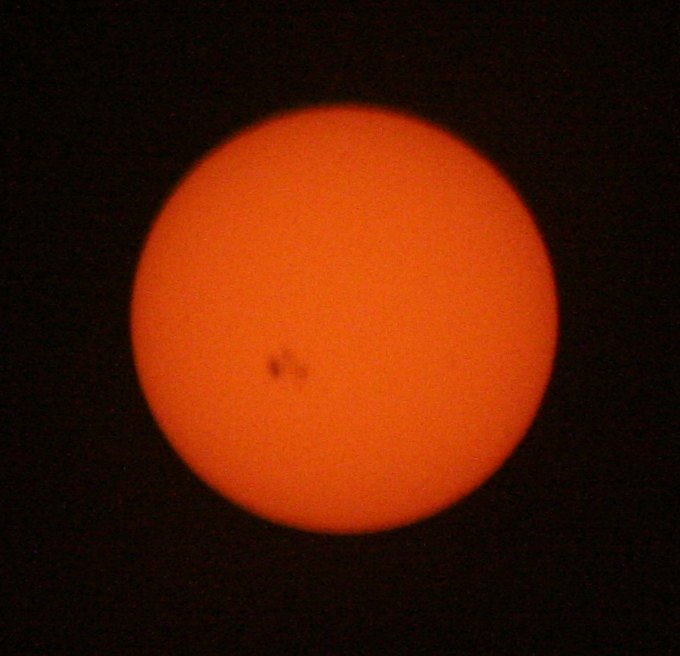
This thing is so big that it can clearly be seen with the naked eye IF YOU’RE BEING SAFE WHILE LOOKING. (You think there’s an underriding theme here, huh?) If you’ve got a solar filter (you can get cheap plastic/mylar ones for a dollar or two at many camera shops, or online, it’s easy to see. If you catch the sun just as it’s rising or setting and the atmosphere is cutting down its light to the point where it’s safe to look at, you should see it clearly.

And, of course, if you’ve got your solar filter already taped onto your camera because you’re going to be taking pictures of tomorrow’s partial solar eclipse, then you can pop out into the front yard for five minutes and see if it’s all working.

IMG_9561 cropped


It’s working, given a broad definition for the term “working.” I might have to see if there’s anything I can do (besides spending a couple hundred dollars that I don’t have right now for an optically flat silvered glass solar filter for my Meade ETX-125 telescope) to cut down on the distortion of fine details that the solar filter causes. It’s basically just a piece of coated mylar film in a cardboard holder, duct taped onto the lens shield in front of the lens. This setup is great for showing things like a partial eclipse where all you’re looking for is a chunk of the sun’s disk missing. For anything that requires better optical qualities, well, that’s why the telescope filters are a couple hundred dollars and the mylar in a piece of cardboard is $2.

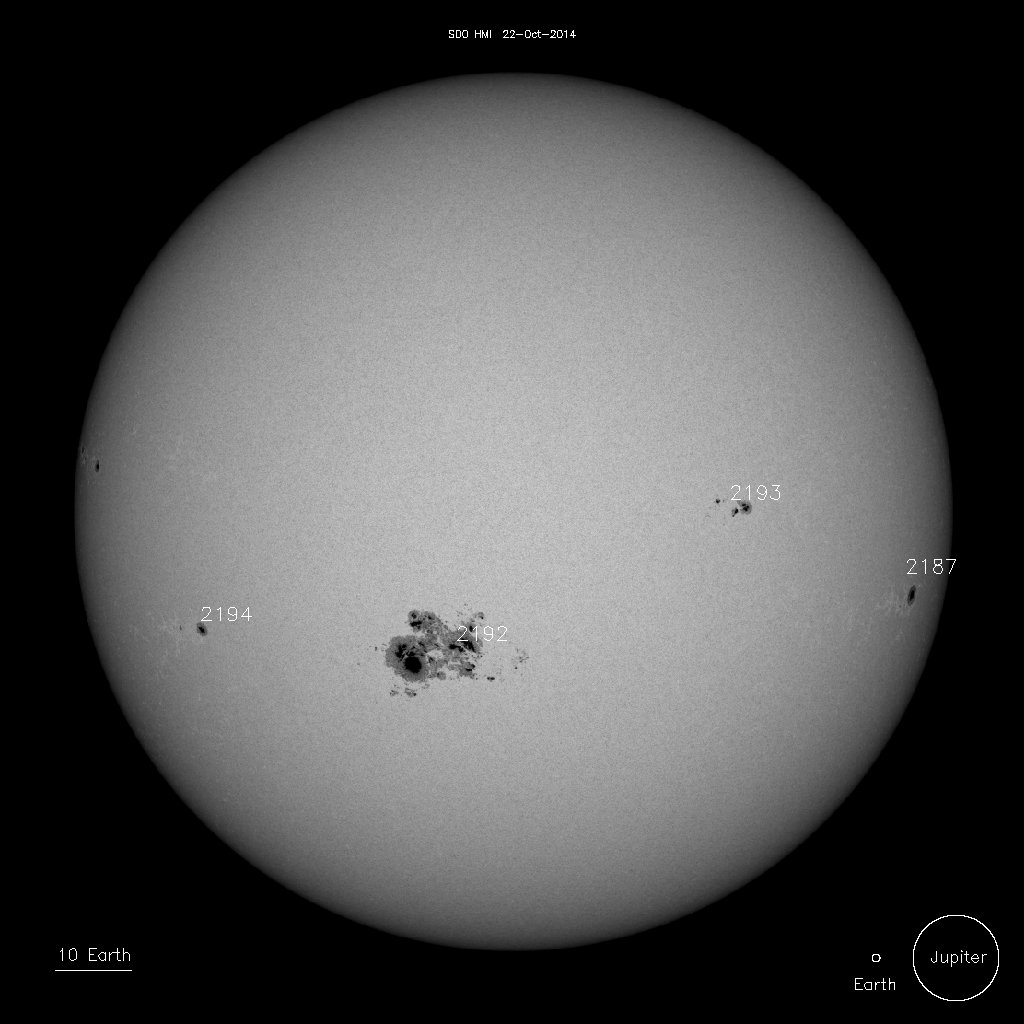
Just so you can see what this sunspot looks like in a professional telescope, with an image of the Earth superimposed for scale:

mdi_sunspots_1024

Courtesy of SOHO/MDI consortium. SOHO is a project of international cooperation between ESA and NASA.

Just curious – you’re going to BE SAFE while looking tomorrow, aren’t you?

Leave a comment

Filed under Astronomy, Photography, Space

Panorama: Las Cruces, New Mexico

A favorite place of mine in the desert southwest is the city of Las Cruces, New Mexico. I’ve been through there several times on cross country trips (I-10 goes right through it) and I went to a wonderful conference there about five years ago.

Coming from the west (i.e., Los Angeles and Phoenix) a dozen miles or so out of town you come over a ridge onto a long downgrade with the whole town laid out before you. About halfway down, there’s a rest stop, where you can get a marvelous view of the city and surrounding areas. (Going west and climbing up this grade in 1980 I looked back and saw the whole valley filled with a thunderstorm and a brilliant rainbow — but no pictures taken, just a fabulous, colorful memory.)

This panoramic picture was taken in May, 2010. (Click to enlarge.) I was on my way from Los Angeles to Mississippi to deliver my son’s truck to him so he could use it while he was stationed in Keesler Air Force Base for a few weeks.

2010_05_22_Las_Cruces_New_Mexico small

This panorama comes from twenty-six images of 2304 x 3456 pixels (8 megapixels each) taken with a Canon Rebel XT DSLR, combined into an image of 29418 x 3413 pixels (100.4 megapixels). With nothing in the immediate foreground (especially nothing moving) to confuse the stitching software and a lot of big, high-quality images with lots of overlap at the edges, the result is a really, really nice panorama covering about 200°. Blow it up on your screen, look at the Mesilla Valley full of farmland, the Organ Mountains off in the distance (declared a National Monument in May, 2014), the Rio Grande running through it all.

This is good, but if you want to see fantastic, a real out of this world panorama, both in terms of quality and location (literally), take a look at the latest from the Opportunity rover on Mars! Not bad for a robot that’s now in its 3,923rd day of its 90-day mission.


Leave a comment

Filed under Astronomy, Family, Panorama, Photography, Space, Travel